



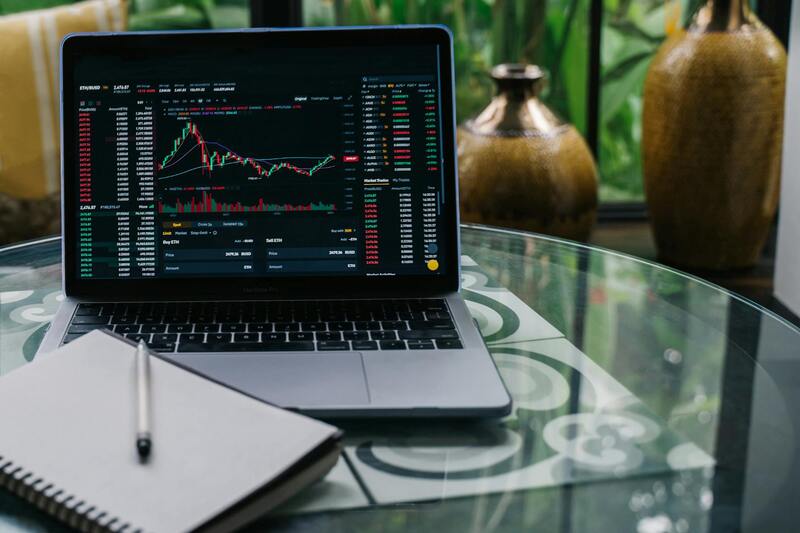
Overview of Prop Software in Trading
Prop software plays a pivotal role in modern proprietary trading firms by providing advanced technological solutions tailored to optimize trading activities. These specialized platforms enable traders and firms to execute high-frequency trades, analyze market data, and manage complex portfolios with precision. As the backbone of trading operations, prop software enhances decision-making processes, improves execution speed, and supports risk management strategies — facilitating a competitive edge in dynamic financial markets.
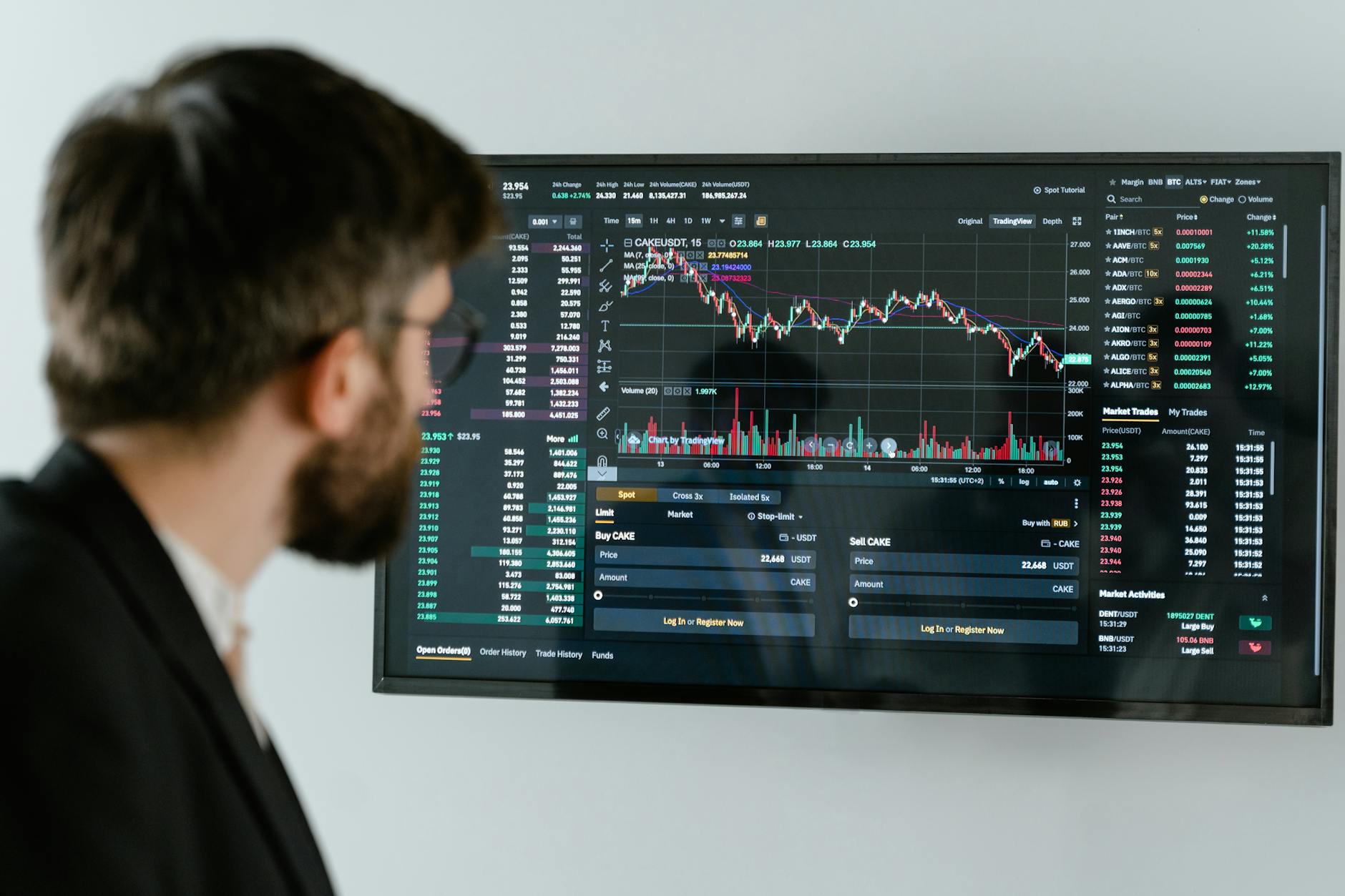
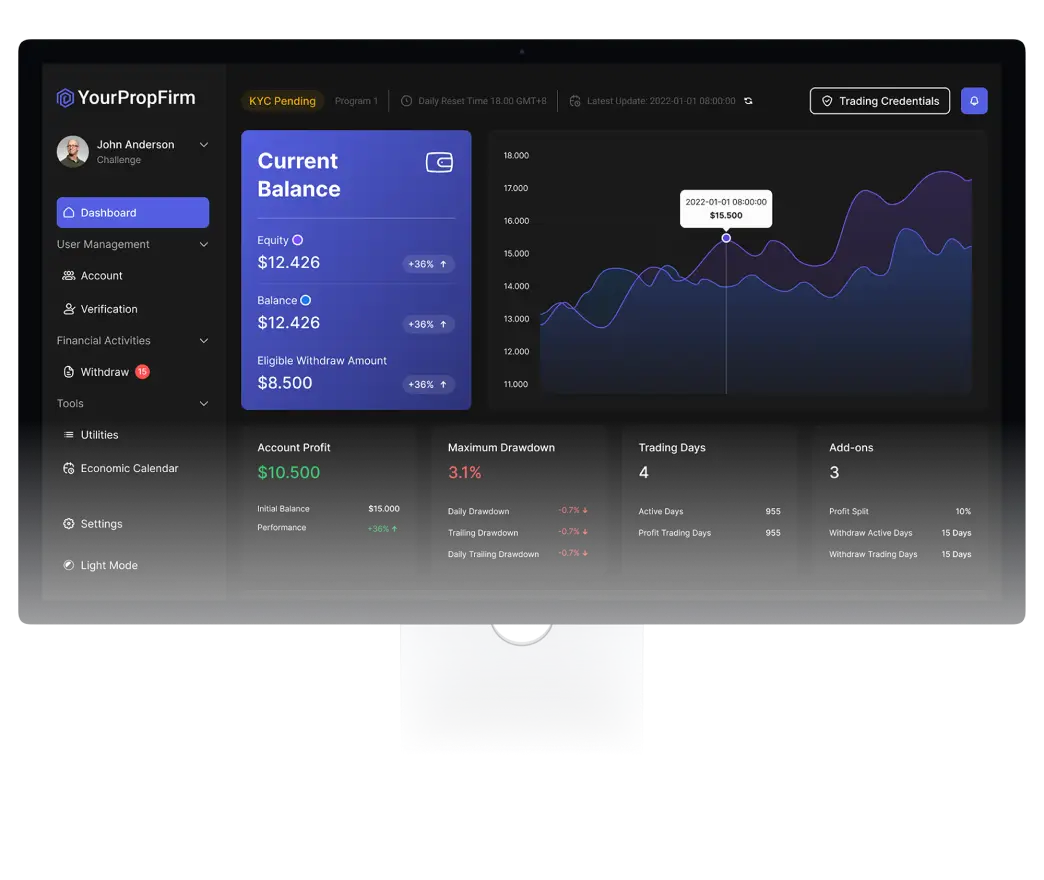
Modern prop trading software interface showcasing streamlined analytics and trade execution tools
In the context of proprietary trading, prop software serves as a critical asset that consolidates various trading functions into a cohesive system. It leverages real-time data feeds, sophisticated algorithms, and customizable dashboards to empower traders with actionable insights. Moreover, the software often integrates with multiple trading venues and financial instruments, ensuring flexibility and scalability in trading operations. Its importance is further underscored by the need for rapid and accurate executions, especially in high-frequency trading environments where milliseconds can determine profitability.
Pro Tip
When evaluating prop software, always test the platform's latency under real market conditions during peak trading hours — not just in demo environments. A difference of even 10 milliseconds can significantly impact HFT strategies.
For trading firms, adopting robust and reliable prop software is essential for maintaining operational efficiency and competitiveness. By automating repetitive tasks, providing advanced analytics, and enabling seamless execution, these platforms reduce manual errors and improve overall trading outcomes. As financial markets continue to evolve with technological advancements, the significance of dedicated prop trading software only amplifies, marking it as an indispensable tool for professional traders and firms alike.
Proprietary trading software, often referred to simply as prop software, serves as the backbone for executing complex trading strategies. Instead of relying on external brokers, trading firms utilize prop software to maintain greater control over their trading operations, ensuring that they can implement proprietary models, manage risk, and optimize execution strategies with precision.
Types of Prop Trading Software Platforms
Prop trading software comes in various forms, tailored to different trading strategies and operational needs. Understanding the distinctions among these platforms helps traders and firms select the most suitable software environment to achieve optimal trading outcomes.
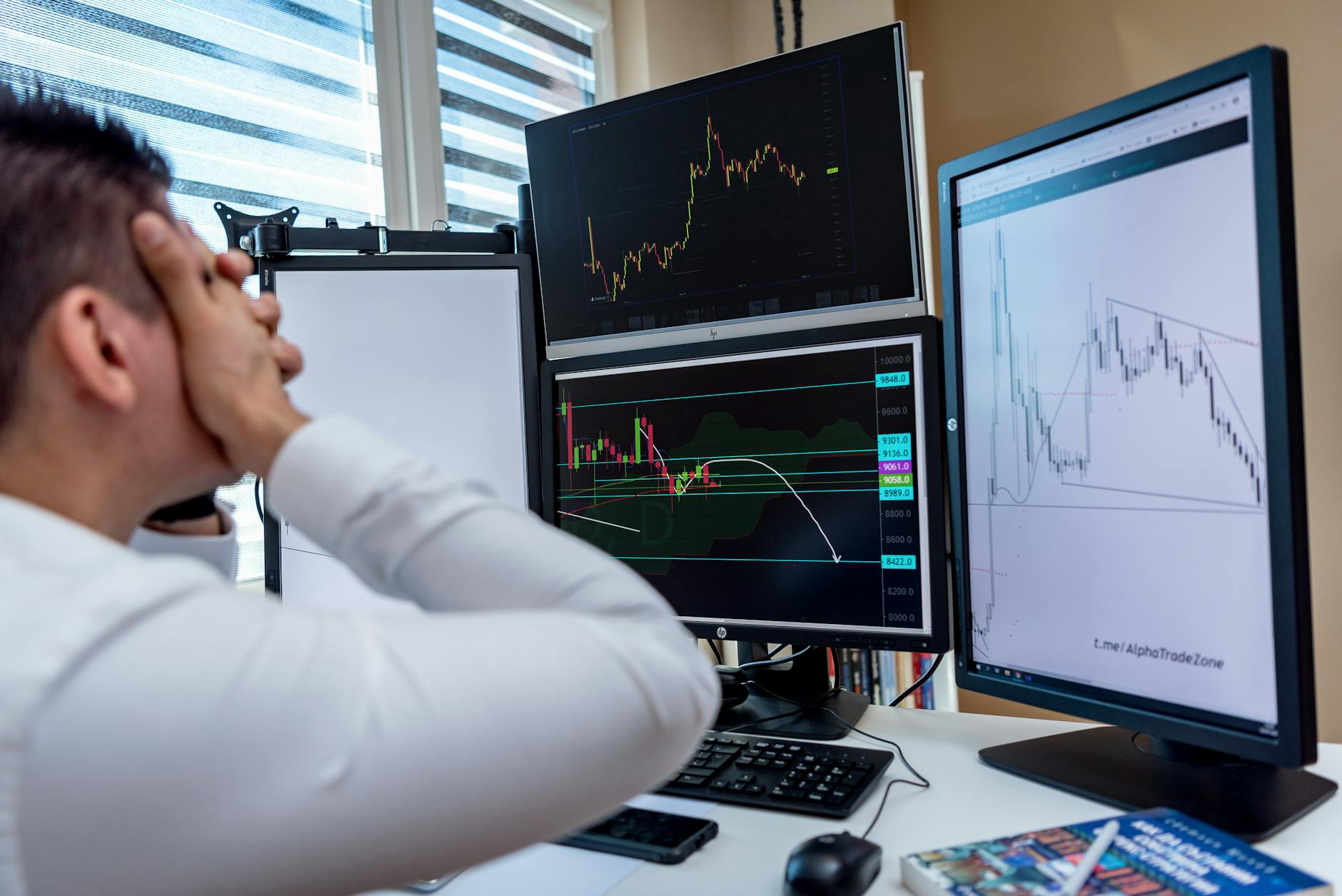
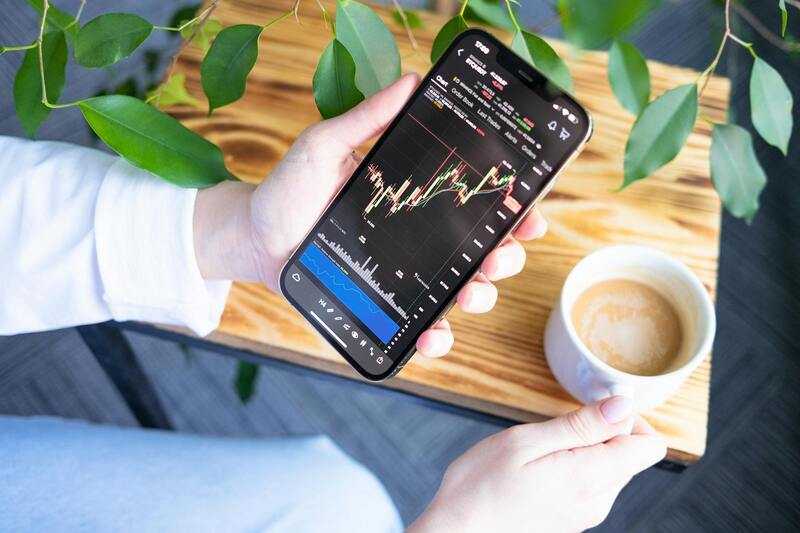
Multi-monitor trading desks powered by institutional prop software
Institutional-Grade Trading Platforms
Designed for large trading operations, institutional-grade prop software offers extensive scalability, advanced risk management tools, and integration with multiple data sources. These platforms are built to support high-frequency trading (HFT) and multi-asset strategies, ensuring rapid processing and execution speed necessary for institutional traders.
Retail-Focused Trading Platforms
Intended for individual traders and smaller firms, retail-focused prop platforms emphasize user-friendly interfaces and simplified integration processes. They typically provide customizable charting tools, order management features, and access to a broad range of markets, enabling traders to develop and deploy strategies efficiently.
Cloud-Based Prop Trading Solutions
Cloud platforms offer the advantage of remote access and scalability, reducing infrastructure costs and expanding access to trading tools from any location. They facilitate collaboration among traders and risk management teams, providing real-time data sharing and automated reporting features akin to on-premises systems.
Note
Cloud-based solutions have seen a 40% increase in adoption among mid-size prop firms since 2022, driven by lower infrastructure costs and improved remote collaboration capabilities during and after the pandemic era.
Specialized Analytical Tools
These include advanced charting packages, algorithmic development environments, and backtesting modules. They enable traders to refine strategies and evaluate performance before live deployment, reducing risk and improving decision-making accuracy.
| Platform Type | Best For | Latency | Customization | Cost Level |
|---|---|---|---|---|
| Institutional-Grade | HFT & Multi-Asset Firms | <1ms | High | Enterprise |
| Retail-Focused | Individual & Small Firms | 5–20ms | Medium | Affordable |
| Cloud-Based | Remote & Scalable Ops | 2–10ms | Medium | SaaS/Monthly |
| Analytical Tools | Strategy Development | N/A | High | Varies |
| Proprietary In-House | Custom Firm Strategy | <0.5ms | Unlimited | Very High |
Order execution platforms, market analysis tools, algorithmic trading systems, and risk management modules are the four pillars that define best-in-class prop trading software.
Core Features of Day Trading and Trading Software
Day trading software demands features that support rapid decision-making and execution. Critical features are designed to empower traders to act swiftly and accurately in volatile markets, capturing fleeting opportunities before they disappear.
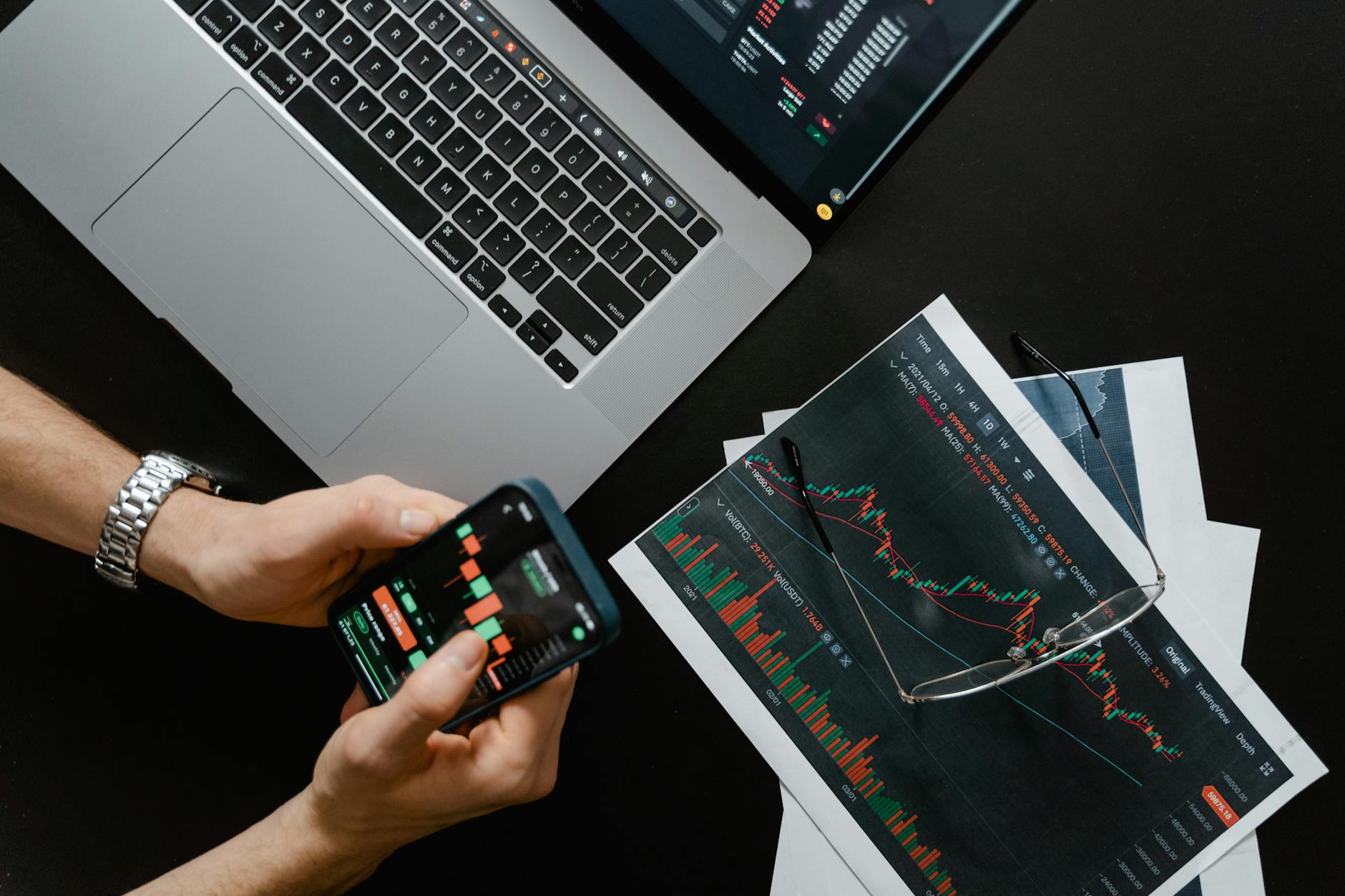
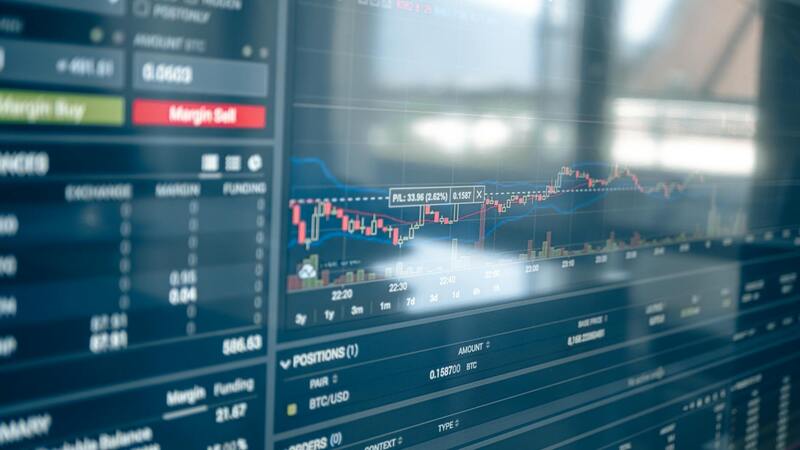
Advanced charting tools for real-time market analysis
Real-Time Market Data
Continuous updates ensure traders react promptly to market movements. Real-time data feeds are essential for day traders who must respond to price changes within seconds. Quality data providers deliver tick-by-tick information across equities, forex, futures, and options markets.
Advanced Charting Tools
Visualizations help identify patterns and potential entry and exit points. Modern charting solutions offer multiple time frames, technical indicators, drawing tools, and pattern recognition capabilities. Traders can overlay dozens of indicators simultaneously and receive automated alerts when specific conditions are met.
Order Management System (OMS)
Allows quick placement, modification, and cancellation of orders to capitalize on fleeting opportunities. A robust OMS supports market orders, limit orders, stop orders, trailing stops, and bracket orders — giving traders precise control over entries and exits.
Automation Capabilities
Enable setting up automated trading strategies to execute trades based on predefined criteria. Automation removes emotional bias from trading decisions and ensures strategies are executed consistently, even when the trader is not monitoring the screen.
Risk Controls
Automatic or manual stop-loss and take-profit levels manage potential losses. These controls are the last line of defense against catastrophic losses, ensuring that no single trade can wipe out a significant portion of the trading account.
Warning
Many traders overlook the importance of data feed quality until it's too late. Stale or delayed data can result in entering trades at unfavorable prices. Always verify data latency claims with independent benchmarks before committing to a platform.
AI & Automation in Trading Software
Artificial intelligence has become an integral part of prop trading solutions through AI trading software. These platforms leverage machine learning algorithms and predictive analytics to identify patterns and optimize trading strategies automatically.

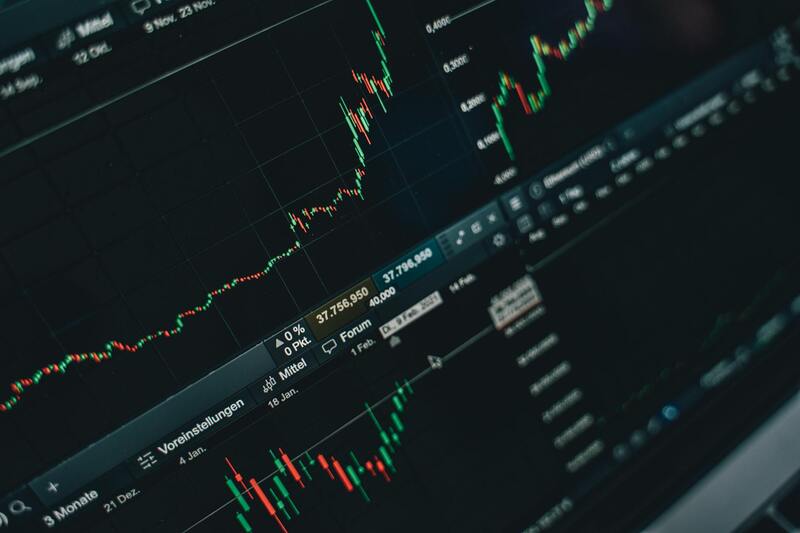
AI-driven trading platforms enhancing decision-making and execution speed
Machine Learning Algorithms
Improve over time by learning from past trading performance and market data, enhancing strategy precision. Modern ML models can process millions of historical trades to identify subtle patterns that humans would never detect, creating edge in markets that were previously considered efficient.
Predictive Analytics
Anticipate market movements based on historical patterns and real-time inputs. Advanced predictive models incorporate sentiment analysis from news feeds, social media, and economic data releases to generate probability distributions of future price movements.
AI-powered systems continuously learn from historical and live data, refining their predictive capabilities and adapting to changing market conditions — giving prop firms a decisive edge.
Automated Trade Execution
Reduce latency and human error through pre-programmed algorithms that respond instantly to market signals. High-frequency trading algorithms can execute thousands of orders per second, exploiting micro-inefficiencies that exist for only fractions of a second.
Dynamic Risk Adjustment
AI risk management systems adjust parameters in real time based on market volatility and trader preferences. When volatility spikes, these systems automatically reduce position sizes and tighten stop-loss levels to protect capital during turbulent market conditions.
Key Point
The integration of AI and automation in prop software marks a significant advancement in trading technology. Firms that have adopted AI-powered tools report an average 35% improvement in strategy win rates and a 50% reduction in maximum drawdown compared to manual trading approaches.
Trading and Risk Management Software
Effective trading software must incorporate comprehensive risk management tools. These modules monitor exposure levels, calculate margin requirements, and enforce predefined trading limits to prevent excessive losses.

Comprehensive risk management tools integrated into modern trading software
Position Sizing Algorithms
Automatically determine optimal trade sizes based on risk appetite and current portfolio status. The Kelly Criterion, fixed fractional position sizing, and volatility-adjusted methods are commonly embedded in modern prop trading platforms to ensure consistent risk-adjusted returns.
Stop-Loss and Take-Profit Orders
Set predefined exit points to lock in gains or limit losses automatically. Advanced platforms offer dynamic stops that trail price movements, locking in profits as the trade moves favorably while still protecting against reversals.
Portfolio Risk Analytics
Provide real-time visualization of risk metrics across all active positions. Key metrics include Value at Risk (VaR), Expected Shortfall (ES), beta, correlation matrices, and sector exposure breakdowns — all updated in real time as market conditions change.
Stress Testing and Scenario Analysis
Simulate various market conditions to evaluate potential impacts on the portfolio. Prop firms use historical scenario replays (e.g., 2008 financial crisis, 2020 COVID crash) and Monte Carlo simulations to stress-test their strategies before deploying real capital.
Real-time risk analytics enable traders to assess the potential impact of their positions dynamically — making informed decisions before losses can compound into catastrophic outcomes.
Advantages of Specialized Prop Trading Software
Utilizing dedicated prop trading software delivers multiple benefits, including enhanced trading precision, quicker decision-making, and strengthened risk controls. These platforms allow traders to compete at the highest levels of the market.

Advanced prop trading platforms enable superior strategy execution and performance tracking
Enhanced Execution Speed
Reduces latency, ensuring trades are executed at desired prices. Co-location services place trading servers physically adjacent to exchange matching engines, achieving sub-millisecond round-trip times. This speed advantage is critical in liquid markets where price impact can erode profits on large orders.
Improved Data Analysis
Provides in-depth market insights and facilitates accurate decision-making. Big data processing capabilities allow platforms to ingest and analyze terabytes of market data daily, identifying actionable signals that would be impossible to detect manually.
Automation Capabilities
Streamlines routine tasks and reduces human error. From automated rebalancing and order routing to compliance reporting and account reconciliation, prop software eliminates time-consuming manual processes that drain resources and introduce errors.
Customizability
Tailored interfaces and strategies to fit specific trading styles. The best platforms offer open APIs, scripting languages (Python, C++, Java), and visual strategy builders that allow traders of all skill levels to implement their proprietary edge.
Regulatory Compliance
Integrated compliance tools to meet industry standards and record-keeping requirements. Automated trade reporting, surveillance systems, and audit trails help firms meet MiFID II, SEC, CFTC, and other regulatory obligations without dedicated compliance staff.
Factors to Consider When Selecting Prop Trading Software
Choosing an appropriate platform involves a detailed evaluation process. Traders and firms should consider multiple dimensions to ensure the selected software aligns perfectly with their operational objectives.

Criteria for selecting the optimal prop trading software for your firm
Performance and Reliability
Ensuring fast, consistent execution to prevent slippage and missed opportunities. Look for platforms with documented uptime SLAs of 99.9% or higher, redundant infrastructure, and transparent historical performance data during high-volatility market events.
Customization and Flexibility
Support for tailored strategies and adaptable interfaces to match trading styles. Evaluate whether the platform offers an SDK for custom development, supports third-party plugins, and allows users to create and backtest proprietary indicators without restriction.
Data Integration
Compatibility with various data sources and market venues for comprehensive analysis. The platform should support FIX protocol, REST/WebSocket APIs, and direct market access (DMA) to ensure seamless connectivity with your preferred data providers and execution venues.
Support and Updates
Availability of ongoing technical support and regular software improvements. Active development teams release frequent updates in response to market changes and regulatory requirements. Evaluate the vendor's release history, support response times, and user community health.
Security Measures
Robust safeguards to protect against unauthorized access and data breaches. Look for two-factor authentication, end-to-end encryption, SOC 2 Type II certification, and regular penetration testing — especially important when trading strategies and client data are housed in the platform.
Emerging Trends in Prop Software Development
Innovation continues to drive advancements in prop trading software. Future developments are set to focus on deeper integration of artificial intelligence, blockchain technology for secure transaction recording, and smarter predictive models.
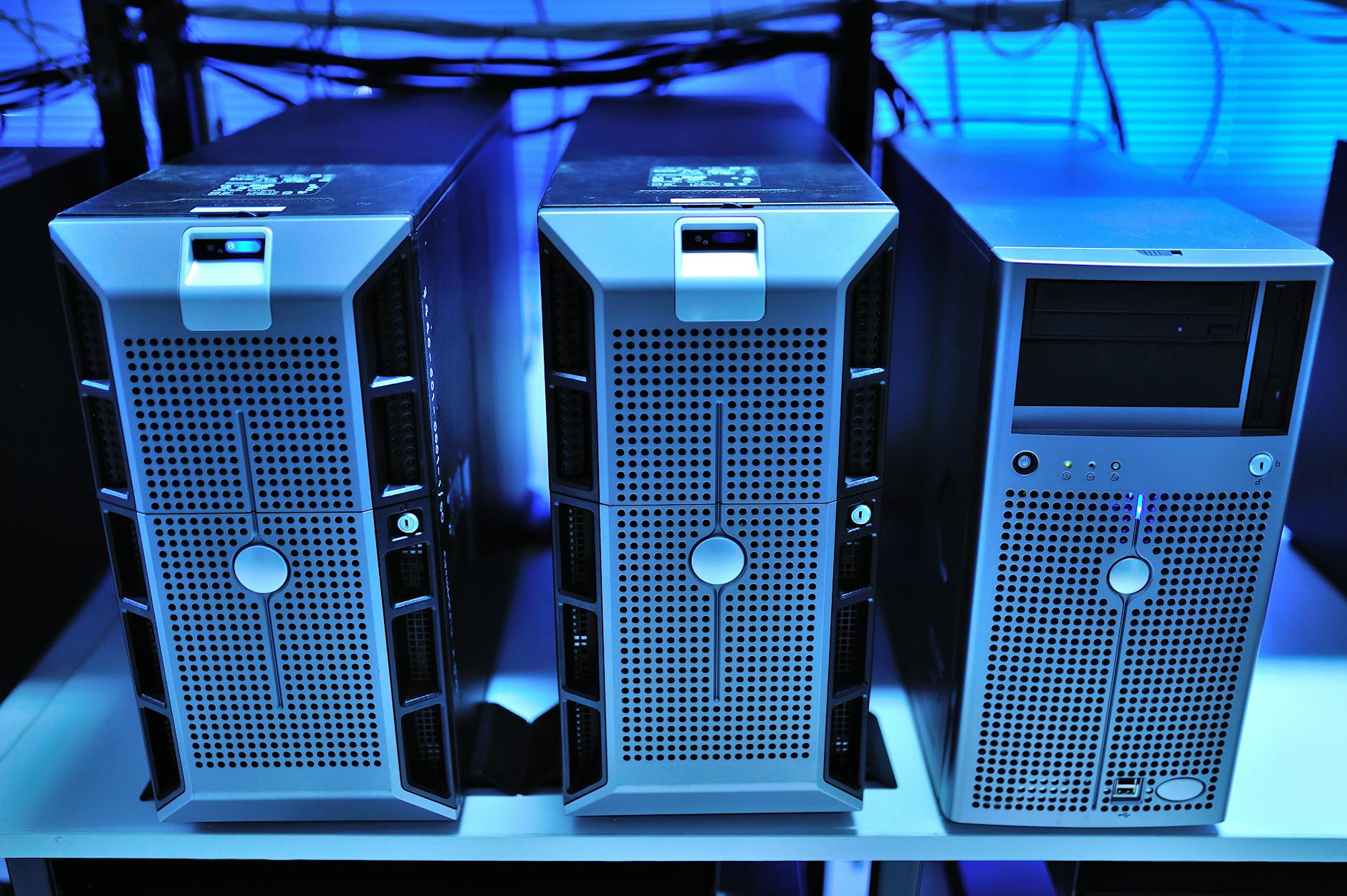
Next-generation cloud infrastructure powering the future of prop trading software
Deeper AI Integration
The next wave of prop software will feature transformer-based large language models capable of processing unstructured data — earnings calls, regulatory filings, social media sentiment — and translating insights into actionable trade signals in real time.
Blockchain for Trade Settlement
Distributed ledger technology promises to reduce settlement times from T+2 to near-instantaneous, freeing up capital and reducing counterparty risk. Several major exchanges are already piloting blockchain-based clearing systems that will integrate directly with prop trading platforms.
Quantum Computing Applications
Although still in early stages, quantum computing holds enormous potential for portfolio optimization, risk calculation, and cryptographic security in trading systems. Leading prop firms are already partnering with quantum computing providers to explore these capabilities.
Democratization of Sophisticated Tools
User-friendly interfaces and more accessible customization options will enable a broader user base to leverage sophisticated tools, fostering a more inclusive trading environment. No-code strategy builders, visual backtesting environments, and AI-assisted parameter optimization will bring institutional-grade capabilities to retail traders.
Future Outlook
The global algorithmic trading market is projected to reach $31.49 billion by 2028, growing at a CAGR of 12.9%. Firms that invest in cutting-edge prop software today will be positioned to capture a disproportionate share of this growth as market efficiency demands increasingly sophisticated tools.
✅ Key Takeaways
- Prop software is the foundational technology layer for modern proprietary trading firms, enabling high-frequency execution, advanced analytics, and automated risk management.
- Platform types range from institutional-grade HFT systems and retail-focused tools to cloud-based SaaS solutions and specialized analytical environments.
- Core features include real-time data feeds, advanced charting, robust order management, automation capabilities, and integrated risk controls.
- AI and machine learning have transformed prop trading by enabling predictive analytics, automated execution, and dynamic risk adjustment in real time.
- Risk management modules — including position sizing algorithms, stress testing, and portfolio analytics — are essential for sustainable profitability.
- When selecting software, prioritize performance, customizability, data integration, vendor support quality, and security certifications.
- Future trends point toward deeper AI integration, blockchain settlement, quantum computing applications, and more accessible democratized tools for all trader segments.
