
Trading Software Platforms: Tools For Modern Trading Environments
Overview of Trading Software Platforms
Trading software platforms are essential tools that empower traders and investors to execute transactions, analyze market data, and manage their portfolios with precision and efficiency. These platforms serve as centralized environments where market information is aggregated, processed, and presented in actionable formats. Their primary purpose is to streamline the trading process, reduce manual effort, and enhance decision-making capabilities with real-time data and sophisticated analytical tools. In addition, trading software platforms facilitate risk management by enabling traders to set predefined parameters, such as stop-loss and take-profit levels, that automatically execute trades based on market movements. This automation plays a crucial role in maintaining disciplined trading practices and limiting potential losses. As markets evolve rapidly due to technological advancements and global interconnectedness, trading software platforms have become indispensable in ensuring traders remain competitive, adaptable, and informed across various asset classes, including equities, forex, commodities, and derivatives.
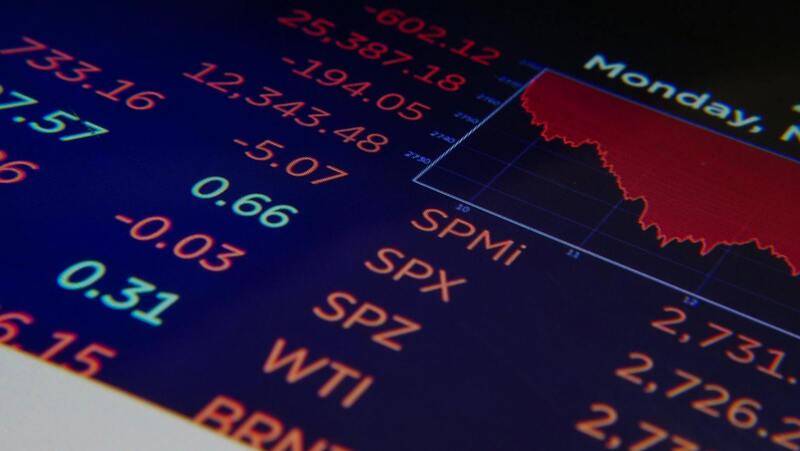
With a focus on reliability and security, these platforms often incorporate advanced encryption and compliance features to protect sensitive data and ensure smooth operation during high-volume trading sessions. They also support customization and scalability, allowing traders to tailor interfaces and functionalities according to their specific strategies and trading volume. As the digital landscape continues to advance, trading software platforms will further enhance their role in empowering traders to navigate volatile markets efficiently and confidently, fostering success through technological innovation.
Features and Functionality of Trading Software Platforms
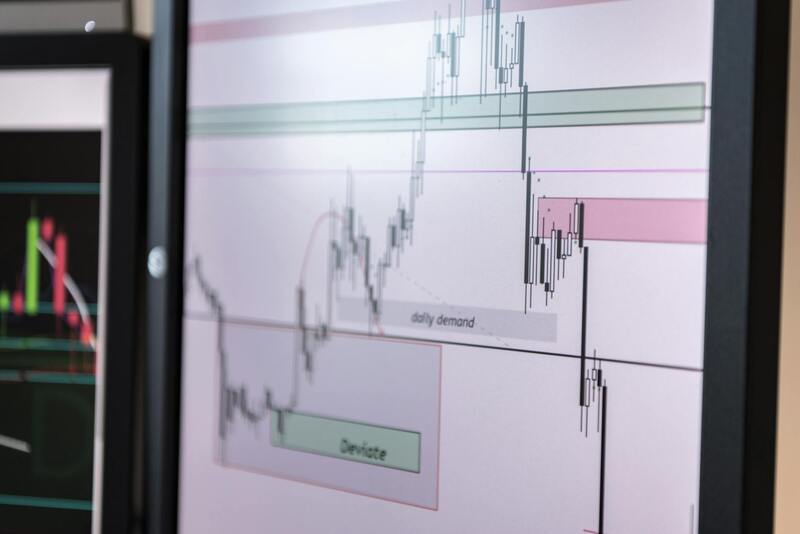
Trading software platforms are equipped with a comprehensive suite of features designed to streamline the trading process and enhance strategic decision-making. Core functionalities include real-time data feeds, advanced charting tools, technical analysis indicators, and customizable dashboards that cater to the unique needs of individual traders and institutions alike. Through intuitive interfaces, traders can monitor multiple markets simultaneously, identify trading opportunities swiftly, and execute orders with precision. Moreover, many platforms provide automated trading capabilities, enabling users to develop, backtest, and deploy algorithmic strategies that function without manual intervention.

Enhanced order management systems are a key aspect, offering functionalities such as one-click trading, order routing options, and multi-order execution capabilities. This ensures traders can respond to market conditions rapidly to capitalize on fleeting opportunities. Additionally, comprehensive risk management tools are integrated into most platforms, allowing traders to set conditional orders, alerts, and loss limits that help maintain disciplined trading practices. Support for multi-asset trading broadens the scope, enabling access across equities, forex, commodities, and derivatives through a single interface. Customization options are abundant, with the ability to adjust layouts, indicators, and workspace configurations to align with specific trading strategies and preferences.
Security features are paramount; modern platforms deploy advanced encryption protocols, two-factor authentication, and secure servers to protect sensitive data and transactions. Scalability is another vital element, with platforms capable of handling increasing trading volume and complex strategies as traders grow their operations. Compatibility with various devices, such as desktops, tablets, and mobile phones, ensures traders remain connected and responsive regardless of location. Overall, these functionalities empower traders to operate efficiently in fast-moving markets, minimizing errors and maximizing opportunities through technological precision.
Overview of Trading Software Platforms
Trading software platforms serve as the backbone of modern financial markets, providing traders with the tools necessary to analyze, execute, and monitor their trades efficiently. These platforms integrate a wide array of functionalities designed to optimize trading performance, from real-time data streaming to advanced order management. Their primary role is to streamline the trading process, reduce errors, and enable quick decision-making in highly volatile environments. Developers of these platforms continually enhance features to meet the demands of professional traders, retail investors, and institutional firms alike, ensuring that they remain competitive in a rapidly evolving industry.
Types of Trading Software Platforms
Trading software platforms can be categorized based on their intended user base, functionality, and deployment method. Understanding these distinctions is crucial for selecting a platform that aligns with individual trading goals and operational needs.
Desktop Trading Platforms
Typically installed directly onto a trader’s computer, desktop platforms offer robust features, high stability, and extensive customization options. They are favored by professional traders who require advanced charting, scripting capabilities, and direct market access. Desktop platforms often support multi-monitor setups, enhancing the ability to monitor multiple markets simultaneously.
Web-Based Trading Platforms
Accessible through internet browsers, web-based platforms offer convenience and flexibility, enabling traders to access their accounts from any device with an internet connection. While they may offer fewer customization options compared to desktop counterparts, many now incorporate sophisticated tools and real-time data feeds, making them suitable for traders on the go.
Mobile Trading Platforms
Designed for smartphones and tablets, mobile trading platforms facilitate trading from virtually anywhere. They are ideal for quick trades, alerts, and portfolio monitoring. Modern mobile apps often possess full functionality, including order management and chart analysis, optimized for smaller screens and touch interfaces.

Key Functionalities of Modern Trading Software Platforms
To stay competitive, trading platforms incorporate a range of tools designed to enhance precision, speed, and strategic decision-making. Among these, real-time analysis and rapid order execution are foundational.
- Real-time Market Data: Immediate access to price feeds, order book updates, and news sources, allowing traders to react promptly to market movements.
- Advanced Charting and Technical Analysis: Visual tools for identifying trends, patterns, and potential entry or exit points.
- Order Management and Automation: Capabilities for setting conditional orders, automated trading strategies, and multi-order execution to optimize trade efficiency.
- Risk Management Tools: Features like stop-loss and take-profit orders, alerts, and portfolio risk assessments help traders safeguard their investments.
- Multi-Asset Support: Unified platforms often facilitate trading across various asset classes—equities, forex, commodities, and derivatives—within a single interface.
Security and Compatibility
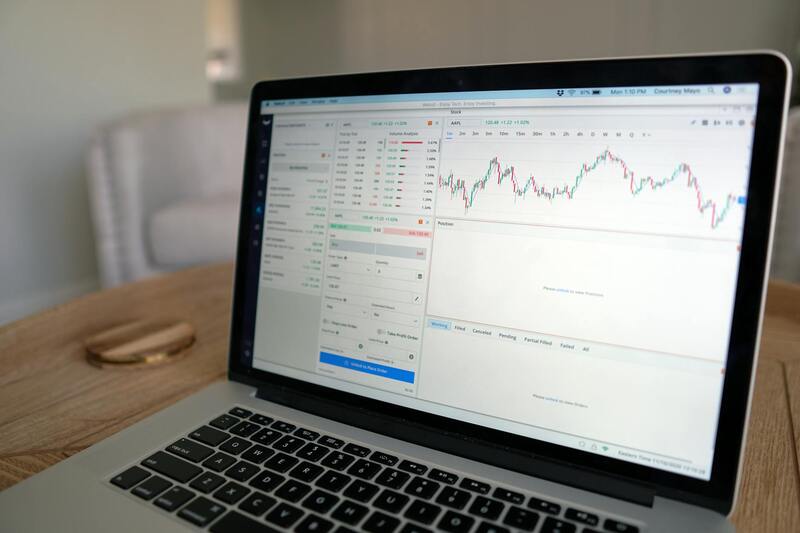
Security is a pivotal aspect of trading software platforms. Manufacturers deploy advanced encryption protocols, secure servers, and multi-factor authentication measures to protect sensitive data and transactional integrity. Compatibility with multiple devices, operating systems, and connection types ensures seamless access, enabling traders to stay connected regardless of location or device preference.
Integration of Artificial Intelligence in Trading Platforms
Artificial Intelligence (AI) has become a transformative element within trading software platforms, reshaping how traders analyze markets and execute strategies. By leveraging AI-driven algorithms, these platforms can process vast quantities of data at high speed, identifying patterns and predicting market movements with enhanced accuracy. Machine learning models enable trading systems to learn from historical data, continuously refining their predictions and improving performance over time.
AI integration facilitates dynamic decision-making processes, empowering traders with insights that were previously difficult to attain through traditional analysis. For example, AI-powered platforms can generate real-time signals based on complex technical indicators, sentiment analysis, and macroeconomic variables, providing traders with timely alerts for potential entry and exit points. This capability allows for more nuanced trading strategies that adapt to shifting market conditions with minimal manual intervention.
Moreover, automation benefits significantly from AI by enabling fully algorithmic trading that reacts instantly to market changes. AI-based systems can execute orders based on predefined criteria without human input, reducing latency and emotional bias. Advanced AI models can also optimize trade sizing and risk management, ensuring portfolios are balanced according to market volatility and individual risk appetite.

Some platforms deploy natural language processing (NLP) to analyze news feeds, social media sentiment, and economic reports, providing traders an early advantage by capturing market-moving information before it is widely reflected in prices. This proactive approach helps traders stay ahead of market trends and make data-driven decisions with increased confidence.
Despite its advanced capabilities, effective AI integration requires robust support systems, quality data sources, and ongoing model validation to ensure reliable performance. Authentic AI-powered trading platforms emphasize transparency, allowing traders to understand the underlying logic and assess the risk associated with automated decisions. Properly implemented, AI transforms trading platforms from mere tools into comprehensive decision-support systems that enhance both strategy development and execution, ultimately contributing to more consistent trading results.
Overview of Trading Software Platforms
Trading software platforms serve as comprehensive environments where traders can analyze markets, execute trades, and manage their investment portfolios efficiently. These platforms consolidate various tools and data sources, providing traders with the necessary infrastructure to operate across different markets such as equities, forex, commodities, and cryptocurrencies. They are designed to cater to diverse trading styles, from manual and semi-automated to fully algorithmic trading. The core objective of these platforms is to enhance decision-making processes, reduce execution times, and optimize trading strategies through advanced technological features.
Types of Trading Software Platforms
Trading platforms can be broadly categorized based on their functionality, user interface, and automation capabilities. This classification helps traders select a platform best aligned with their experience level and trading objectives.
- Desktop Platforms: These are installed directly on a trader’s computer, offering extensive customization options and high-performance processing power. They are ideal for professional traders and institutional investors who require deep analytical tools and robust execution features.
- Web-Based Platforms: Accessed through a browser, these platforms provide convenience and flexibility, allowing traders to monitor markets and execute trades from any device with internet connectivity. They are suitable for retail traders who prioritize accessibility and ease of use.
- Mobile Trading Platforms: Designed for smartphones and tablets, these platforms enable traders to manage their investments on the go. While they may have fewer advanced features than desktop counterparts, they maintain core functionalities and support quick decision-making.
- Algorithmic Trading Platforms: Focused on automated trading, these systems enable traders to develop, test, and deploy algorithms for executing trades based on predefined criteria. They often integrate advanced scripting capabilities and backtesting environments.
Features and Functionality
Effective trading software platforms offer an array of features aimed at enhancing user experience and trading efficiency. Key functionalities include:
- Real-Time Market Data: Providing live prices, order book details, and market depth, enabling traders to make timely decisions.
- Order Types and Execution Options: Supporting various order types such as limit, market, stop-loss, and take-profit orders for flexible trading strategies.
- Charting and Technical Analysis Tools: Offering advanced charting capabilities, drawing tools, and indicators to analyze price movements and identify trading opportunities.
- Automated Trading and Algorithms: Allowing traders to implement and manage algorithmic strategies for systematic trading.
- News and Sentiment Analysis: Integrating economic calendars, news feeds, and social media sentiment analysis to gauge market mood and potential movements.
- Risk Management Tools: Features such as trailing stops, position sizing calculators, and risk assessment modules help traders mitigate losses and optimize profits.

Integration of Artificial Intelligence in Trading Platforms
Artificial Intelligence (AI) has become a pivotal component of modern trading software platforms, revolutionizing market analysis and execution strategies. AI algorithms can process enormous datasets from multiple sources, such as news feeds, economic reports, and social media, to identify emerging trends and market sentiment. This capability allows traders to anticipate price movements with higher confidence and accuracy.
AI-powered features include predictive analytics that forecast future market directions based on historical and real-time data, as well as natural language processing (NLP) techniques that analyze unstructured data to extract actionable insights. These tools can automatically execute trades when certain conditions are met, reducing latency and human error. Moreover, advanced AI models optimize trade sizing, manage risk exposure, and dynamically adjust trading strategies according to changing market volatility.
Despite their sophistication, effective AI integration emphasizes transparency and interpretability. Traders can understand the underlying models and assess the rationale behind automated decisions, fostering trust and strategic control. When implemented correctly, AI transforms trading platforms into intelligent assistants capable of supporting complex decision-making and enhancing overall trading performance.

Overview of Trading Software Platforms
Trading software platforms serve as the backbone of modern financial markets, providing traders and institutional investors with the tools necessary for efficient, precise, and timely execution of trades. These platforms facilitate a wide array of activities, including market analysis, order execution, portfolio management, and risk assessment. As financial markets evolve, so do the capabilities of trading platforms, integrating state-of-the-art technologies to meet the demands of dynamic trading environments. Leveraging advanced software solutions ensures traders can capitalize on market opportunities, maintain operational efficiency, and adhere to regulatory standards.

Types of Trading Software Platforms
- Desktop Platforms: These are installed directly onto a trader's computer, offering robust functionalities, high customization options, and access to comprehensive market data feeds. They are ideal for active traders requiring extensive analytical tools.
- Web-Based Platforms: Accessible through browsers, these platforms provide flexibility and ease of use, enabling traders to access their accounts from any location with an internet connection. They often feature cloud storage options for seamless data synchronization.
- Mobile Trading Platforms: Designed for smartphones and tablets, these platforms enable traders to execute trades, receive alerts, and monitor markets on the go. They incorporate intuitive interfaces optimized for mobile devices.
- Automated Trading Platforms: These software solutions allow for algorithm-driven trading strategies, executing predefined rules without human intervention. They are essential for quantitative traders and institutional firms.
Features and Functionality
Modern trading platforms come equipped with an extensive array of features designed to enhance trading efficiency and precision. Common functionalities include real-time market data, advanced charting tools, customizable dashboards, order management systems, and risk analysis modules. Additionally, many platforms incorporate integration options for third-party plugins and data feeds, providing traders with a versatile environment tailored to specific needs.
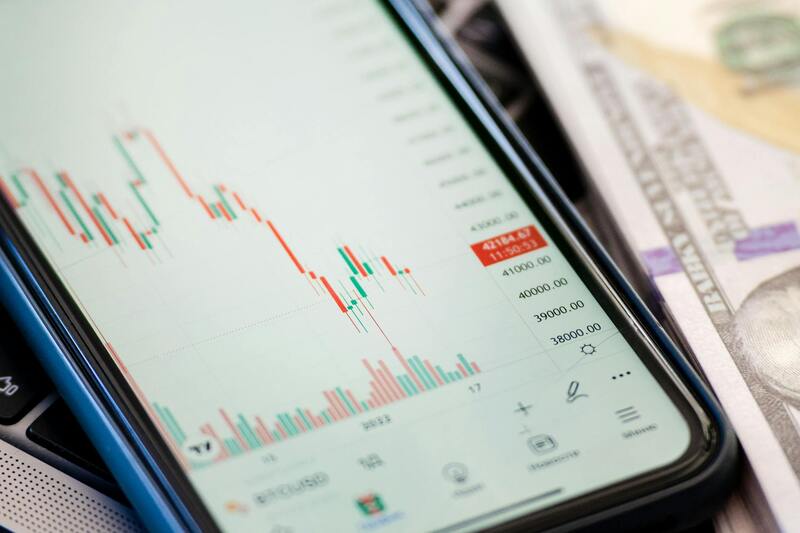
Integration of Artificial Intelligence in Trading Platforms
The adoption of artificial intelligence (AI) within trading software platforms has transformed traditional trading paradigms. AI algorithms analyze vast datasets with remarkable speed, identifying patterns and correlations imperceptible to human analysts. Predictive analytics models forecast potential price movements, enabling traders to make proactive decisions. Natural language processing (NLP) tools extract insights from unstructured data sources such as news articles, social media feeds, and financial reports, providing a broader market perspective.
AI-powered trading systems often include automated decision-making modules that execute trades based on predefined criteria, minimizing latency and human error. These platforms can dynamically adjust trading parameters in response to evolving market conditions, enhancing strategy resilience and profitability. Transparency and interpretability of AI models are critical, as they allow traders to understand the rationale behind automated actions, thereby fostering trust and strategic oversight.
Risk Management and Trading Software
Effective risk management is a fundamental component of any trading system. Advanced trading platforms incorporate dedicated tools to monitor and control risk exposure continuously. Features such as stop-loss and take-profit orders, position sizing calculators, and real-time margin monitoring help traders manage potential losses and safeguard capital. Certain platforms utilize AI-driven risk assessment modules that analyze market volatility, liquidity, and other variables to optimize risk-reward profiles.
Further, comprehensive reporting and audit trails facilitate compliance and strategic review, enabling traders to refine their approaches and adhere to operational standards. By integrating these risk management tools, trading software platforms empower traders to maintain disciplined trading practices, mitigate unforeseen losses, and maintain consistent performance even during volatile market phases.
Overview of Trading Software Platforms
Trading software platforms serve as vital tools for traders and investment firms seeking to execute, monitor, and optimize their trading activities efficiently. These platforms encapsulate a variety of functionalities, from real-time market data analysis to automated trading execution, offering a centralized environment for managing complex trading strategies. Their ability to process large volumes of information swiftly and accurately helps traders capitalize on market opportunities while managing risks effectively. As technological advancements continue, these platforms increasingly incorporate sophisticated features that aid in strategic decision-making, thus becoming indispensable in the modern trading landscape.
Types of Trading Software Platforms
The landscape of trading software platforms is diverse, catering to different user needs and operational scopes. Some of the main types include:
- Desktop Platforms: These are installed directly on a trader's local computer, providing extensive customization options and robust processing capabilities. They are favored for their stability and comprehensive toolsets.
- Web-Based Platforms: Accessible through internet browsers, these platforms offer convenience and flexibility, allowing traders to access their accounts from any device without installation hurdles.
- Mobile Trading Apps: Designed for trading on the go, mobile applications facilitate quick decision-making and instant order execution, often synchronizing seamlessly with desktop platforms.
- API-Based Platforms: These allow institutional traders and developers to build tailored trading solutions by integrating proprietary algorithms and custom features into existing systems.
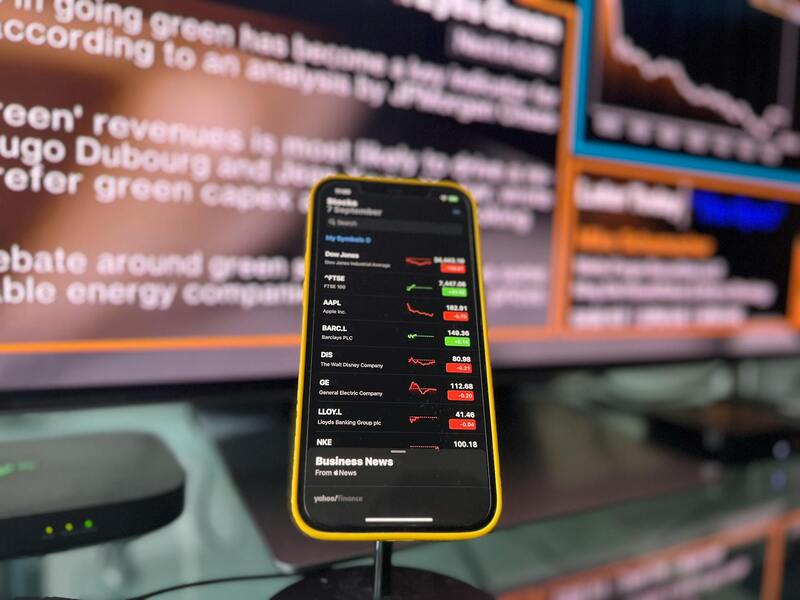
Features and Functionality
Modern trading software platforms are equipped with an array of features designed to enhance trading efficiency and strategic management. Core functionalities typically include:
- Real-Time Market Data: Continuous updates on price movements, market depth, and order book details enable traders to stay informed and react promptly.
- Automated Trading: Algorithms can execute trades based on predefined criteria, eliminating manual delays and reducing emotional influence.
- Customizable Charts and Technical Indicators: Visual tools assist traders in analyzing market trends and identifying entry or exit points.
- Order Management Systems: Streamlined interfaces for placing, modifying, and executing various order types such as limit, market, or stop-loss orders.
- Backtesting and Simulation: Testing strategies against historical data to evaluate performance before deploying in live markets.
- Portfolio and Risk Management Tools: Features like position tracking, risk analysis, and compliance reporting support disciplined trading practices.

Advanced features enhance efficiency and strategic insight in trading software platforms. Integration of Artificial Intelligence in Trading Platforms
Artificial Intelligence (AI) has become a transformative element within trading software, providing enhanced analytical depth and automation capabilities. AI algorithms analyze vast datasets, uncover hidden patterns, and predict potential market movements with greater accuracy. These systems also facilitate adaptive learning, refining strategies based on evolving market conditions. Automated decision-making modules, powered by AI, execute trades with minimal latency, often outperforming traditional methods under certain market scenarios. The interpretability of AI-driven insights helps traders understand underlying factors influencing decisions, fostering trust and better strategic oversight. Furthermore, AI aids in sentiment analysis, news processing, and macroeconomic data interpretation, offering comprehensive market perspectives that inform trading strategies more holistically.
Risk Management and Trading Software
Effective risk management remains at the core of successful trading operations. Advanced platforms integrate proprietary tools that monitor market volatility, liquidity fluctuations, and positional exposure in real-time. Features such as automated stop-loss orders, dynamic position sizing, and margin monitoring are crucial for limiting losses during adverse market movements. Some platforms employ AI-based risk assessment modules to analyze incoming data and suggest optimal trade sizes or risk-reward configurations. Additionally, detailed reporting and audit trail functionalities support compliance monitoring, enabling traders to conduct thorough reviews of trading activities, identify areas for improvement, and ensure consistent adherence to strategic parameters. The incorporation of these risk management tools helps maintain trading discipline and safeguard capital amidst volatile market conditions.
Exploring the Security and Compliance Aspects of Trading Software Platforms
When selecting a trading software platform, traders and firms must prioritize robust security features and adherence to compliance standards to protect sensitive data and ensure smooth operation. Industry-leading platforms implement advanced encryption protocols for data transfer and storage, safeguarding client information, transaction details, and proprietary trading algorithms from unauthorized access.
Furthermore, comprehensive authentication processes, such as multi-factor authentication (MFA) and biometric verification, are standard measures to prevent unauthorized logins, maintaining the integrity of trading accounts. Audit logs and detailed activity tracking provide transparency and facilitate thorough reviews, which are essential for maintaining operational accountability and verifying compliance during regulatory audits.

Security protocols play a critical role in maintaining trust and integrity within trading platforms. Compliance Features Embedded in Trading Software
Trading platforms integrate a suite of compliance tools that assist users in adhering to industry standards and operational guidelines. These tools include real-time transaction monitoring, anti-money laundering (AML) measures, and robust reporting capabilities that generate detailed summaries of trading activities for review and audit purposes.
Automated compliance checks are often embedded within the platform, alerting traders to potential violations or irregular trading patterns. Such features enable proactive oversight, reducing the risk of regulatory penalties and supporting long-term operational stability. Detailed documentation and customizable reports help firms demonstrate adherence to relevant trading regulations, facilitating smooth interactions with oversight bodies.
Regular Software Updates and Risk Mitigation
Consistent updates and patches are essential components of a secure trading platform. This ongoing maintenance addresses vulnerabilities, enhances existing features, and introduces new security measures aligned with emerging threats. Many platforms perform routine security audits and penetration testing to identify potential weaknesses, implementing remedial actions proactively.
Additionally, risk mitigation extends beyond technical safeguards. User education and training programs, emphasizing cybersecurity best practices, are often promoted by platform providers to cultivate a security-aware trading environment.
Image Placeholder:
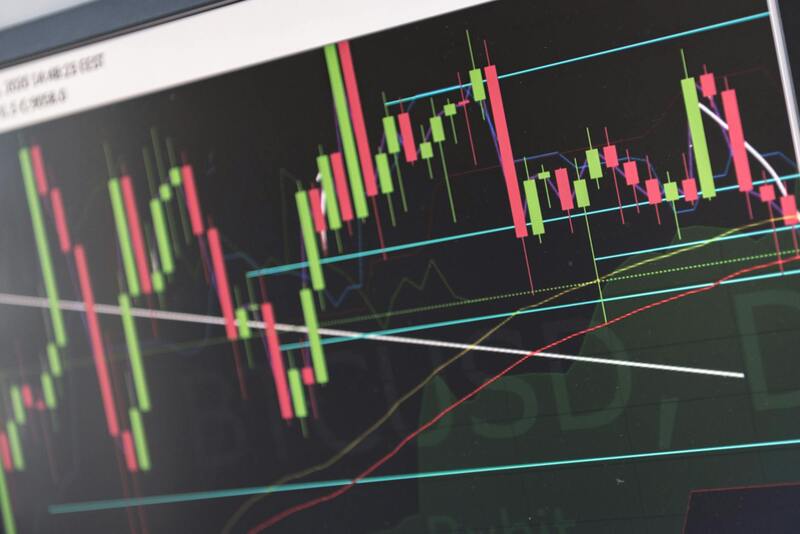
Implementing comprehensive security and compliance features ensures the robustness of trading operations. Tags
