
Day Trading Software: Features, Types, And Usage In Prop Trading
Overview of Day Trading Software
Day trading software has become an essential component for active traders seeking to execute rapid, precise trades within a single trading session. These platforms serve as comprehensive tools that enable traders to analyze market data, place trades efficiently, and monitor their positions in real-time. Their primary function is to facilitate quick decision-making and execution, crucial for the fast-paced environment of intraday trading.
Modern day trading software integrates various functionalities such as real-time data feeds, charting tools, technical analysis indicators, and automated order execution. These features empower traders to identify potential trading opportunities swiftly and act on them decisively. For individual traders, such software reduces manual effort and enhances precision, while proprietary trading firms utilize advanced platforms to manage high volumes of trades with greater speed and accuracy.
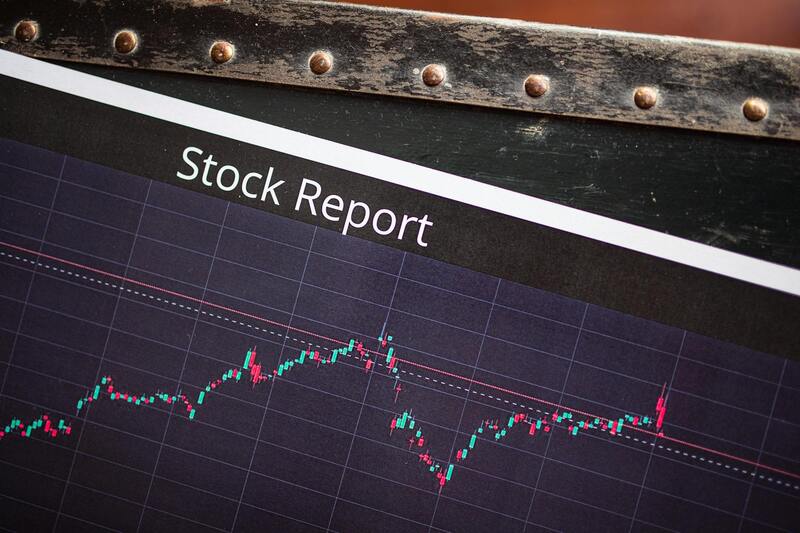
The role of day trading software extends beyond mere execution; it also provides critical insights into market trends, price movements, and order flow. By leveraging these tools, traders can craft strategies that maximize profitability while managing inherent risks associated with intraday trading activities. Effective software solutions are designed to support both novice and experienced traders by offering customizable interface options and detailed analytics.
Overall, day trading software acts as the backbone of active trading operations, ensuring traders stay informed and execute trades efficiently. As technology progresses, these platforms increasingly incorporate emerging innovations to enhance trading performance and decision-making fidelity.
Types of Day Trading Software Platforms
Different traders have varied needs, which is why several types of day trading platforms dominate the market:
- Basic Trading Platforms: Suitable for beginners, offering essential features like real-time quotes, basic charting, and order placement.
- Advanced Trading Platforms: Designed for experienced traders, these platforms include comprehensive technical analysis tools, multiple chart layouts, and automation capabilities.
- Proprietary and Custom-Developed Platforms: Used by trading firms, these platforms are tailored to specific operational needs, often integrating with internal risk management and order execution systems.
- Web-Based Platforms: Accessible via browsers, providing flexibility and ease of access without the need for installation.
Each platform type offers unique features catered to different trading styles and objectives, ensuring traders can select the most suitable technology for their strategy.
Types of Day Trading Software Platforms
Day trading software encompasses a diverse array of platforms designed to meet the specific needs of traders across experience levels and trading strategies. These platforms are generally categorized into several main types, each offering distinct functionalities that support the rapid decision-making and execution demands of intraday trading.

Proprietary and Custom-Developed Platforms
Many trading firms develop or license proprietary platforms tailored specifically to their operational frameworks. These platforms often integrate advanced risk management systems, proprietary analytics, and order execution modules, enabling seamless and rapid trading workflows. The customization ensures that traders can access real-time data, automate complex trading strategies, and implement internal controls that align with the firm’s trading philosophy.
Third-Party Trading Platforms
Widely adopted by individual traders and small firms, third-party platforms such as TradingView, MetaTrader, and NinjaTrader, offer extensive features that balance user-friendliness with advanced analytical tools. These platforms are usually compatible with multiple brokerage accounts, allowing traders to consolidate their trading activities on one interface. They are often supported by large developer communities that continuously enhance their functionalities through plugins and extensions.
AI-Powered and Algorithmic Trading Tools
Emerging as powerful resources for day traders, AI-enabled platforms leverage machine learning algorithms to analyze market data and generate trading signals. These tools can identify patterns that might elude human traders, enhance predictive accuracy, and automate execution processes with minimal latency. The integration of AI is particularly beneficial for traders seeking to employ quantitative strategies or who favor data-driven decision-making.
Web-Based and Mobile Trading Platforms
Accessibility is a crucial aspect of contemporary day trading, making web-based platforms increasingly popular. These platforms run within internet browsers, eliminating the need for software installation, and often provide synchronization with mobile devices. They enable traders to monitor markets, execute trades, and adjust strategies on the go, ensuring flexibility regardless of location or device.
Each platform type possesses unique characteristics suited to various trading approaches. For instance, professional proprietary systems excel in handling high-frequency trading, whereas third-party solutions typically serve individual traders with a versatile mix of features. Choosing the appropriate platform involves evaluating specific needs, including technical analysis requirements, automation preferences, accessibility, and integration capabilities.
Trading and Risk Management Tools
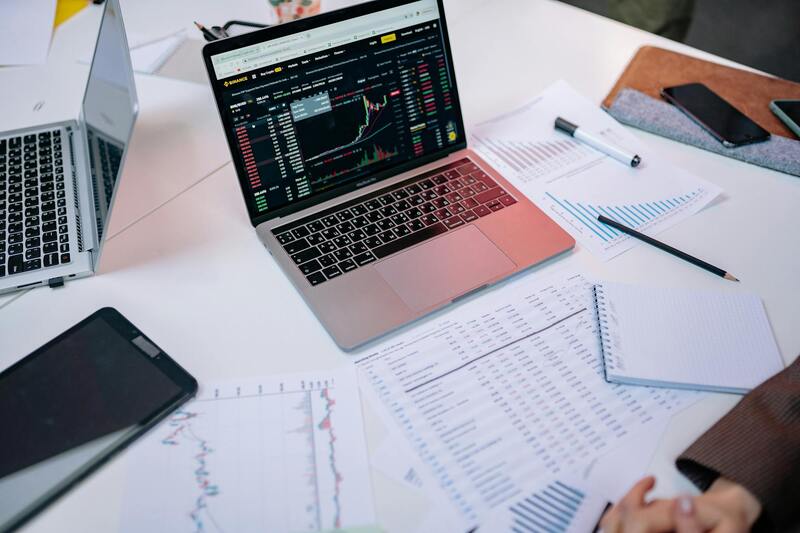
Effective day trading software incorporates sophisticated trading and risk management tools to help traders mitigate potential losses while maximizing gains. These tools include advanced stop-loss and take-profit order functionalities, enabling traders to automatically exit trades at predefined price levels, which helps control risk exposure without constant supervision. Additionally, many platforms offer trailing stops, which dynamically adjust stop-loss levels as the market moves in favor of the trader, locking in profits and minimizing downside risk. Position sizing calculators are another vital component, assisting traders in determining optimal trade sizes based on account balance, risk appetite, and market conditions. This feature ensures disciplined trading, avoiding over-leverage or excessive exposure to individual trades. Risk management dashboards often provide real-time analytics and alerts, enabling prompt response to adverse market movements. Some platforms also feature built-in scenario analysis or stress testing tools that simulate potential portfolio impacts under different market conditions, equipping traders with a comprehensive view of their risk profile. The integration of these tools within intuitive interfaces allows traders to swiftly implement risk mitigation strategies during highly volatile trading sessions, a critical aspect of day trading where market conditions can change rapidly.
Role of Artificial Intelligence in Day Trading Software
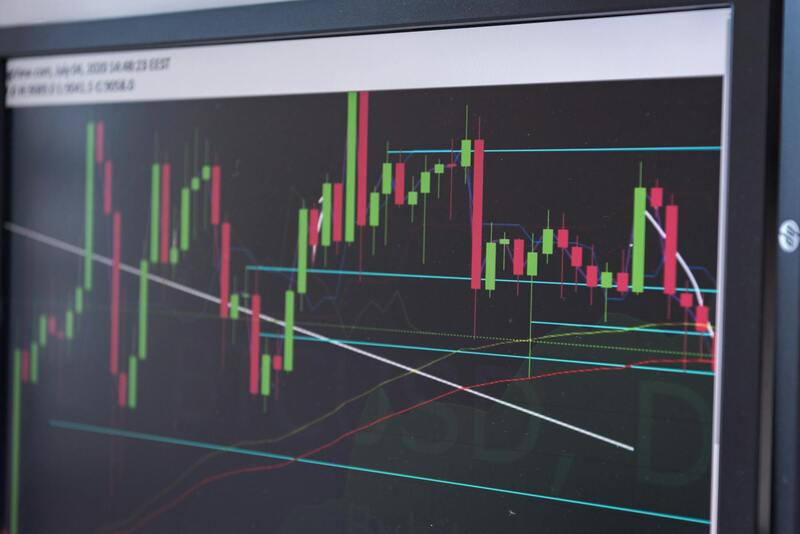
Artificial intelligence (AI) plays a transformative role in modern day trading software by enhancing analytical capabilities and automating complex decision-making processes. AI algorithms analyze enormous datasets to uncover patterns, correlations, and market signals that might be imperceptible to human traders. This enables more accurate predictions of price movements and assists in identifying optimal entry and exit points. Machine learning models continually improve their accuracy by learning from new data, allowing trading strategies to evolve with market dynamics. Automated trading bots, powered by AI, can execute trades at lightning speed, removing human emotion from the decision process and ensuring consistent adherence to predefined strategies. These systems can also adapt to changing market conditions, adjusting their parameters in real time to optimize performance. Furthermore, AI-driven sentiment analysis scans news feeds, social media, and other information sources to gauge market sentiment — a factor increasingly influencing short-term price fluctuations. By integrating AI tools, day traders can leverage data-driven insights for more informed and timely trade execution, giving them a competitive edge in fast-paced markets.
Usage in Proprietary Firm Trading
Proprietary trading firms rely heavily on advanced day trading software to maintain their competitive advantage. These firms utilize customized platforms that often integrate proprietary algorithms and high-frequency trading (HFT) capabilities. Such systems are optimized for speed, throughput, and decision accuracy, capturing fleeting opportunities within milliseconds. In this environment, software tools are tailored to facilitate complex quantitative strategies, including statistical arbitrage, market making, and short-term momentum trading. Proprietary platforms often include extensive automation features, allowing traders and algorithms to operate seamlessly across multiple markets and asset classes. Risk management remains a core focus within proprietary firm setups, with advanced real-time monitoring and automated control systems to prevent large-scale drawdowns. Data security protocols and resilient infrastructure are also critical, ensuring continuous operation even in volatile or disrupted market conditions. The integration of high-speed data feeds, low-latency connectivity, and AI-driven decision support makes proprietary day trading software an indispensable asset, enabling firms to capitalize on minute market mispricings and maintain a competitive edge in the high-stakes arena of professional trading.
Trading and Risk Management Tools
Within comprehensive day trading software, specialized trading and risk management tools are fundamental for maintaining consistency and safeguarding trades. These features enable traders to implement rigorous controls over positions, leverage, and capital allocation effectively. Automated stop-loss and take-profit orders are standard components, allowing traders to predefine exit points that help limit potential losses and lock in gains without the need for constant oversight.
Advanced software solutions incorporate real-time margin management systems that alert traders when their positions approach leverage limits, ensuring prudent use of available capital and mitigating overexposure. These platforms often provide detailed insights into trading metrics such as drawdown levels, profit/loss ratios, and risk/reward assessments, empowering traders to make informed adjustments on the fly.
Moreover, integrated risk management modules facilitate scenario analysis, allowing traders to simulate various market conditions and their potential impacts on existing positions. This process supports strategic decision-making, especially during volatile periods when rapid response is critical. Automated monitoring also assists in enforcing trading limits set by traders or regulatory standards, fostering disciplined trading practices and reducing impulsive or emotionally driven decisions.

Importance of Data Security and Infrastructure Resilience
High-quality day trading software emphasizes not only functionality but also the security and resilience of the trading environment. Given the sensitive nature of trading data and strategic algorithms, platforms employ robust cybersecurity measures such as encryption, multi-factor authentication, and intrusion detection systems. These safeguards are critical to prevent unauthorized access and data breaches.
Furthermore, resilient infrastructure with redundant servers, uninterrupted power supplies, and disaster recovery protocols ensure continuous operation despite technical disruptions. This stability is vital for traders executing rapid transactions where even milliseconds of downtime can result in missed opportunities or financial losses.
Platforms also prioritize seamless integration with various data feeds and brokerage APIs to facilitate instantaneous order execution and real-time market data access. This connectivity enhances the trader’s ability to respond swiftly to market fluctuations while maintaining system integrity under demanding trading conditions.

Overview of Day Trading Software
Day trading software serves as the foundational tool for traders engaging in high-frequency, short-term market activities. These platforms aggregate real-time market data, facilitate rapid order execution, and provide analytical capabilities to enable traders to make informed decisions within milliseconds. The sophistication of such software directly influences trading performance, speed, and the ability to adapt swiftly to volatile market conditions. Effective day trading software integrates advanced algorithms, customizable interfaces, and automation features that cater to both seasoned professionals and emerging traders. Security protocols embedded within these platforms ensure the integrity of trading operations and safeguard sensitive financial information, making them indispensable in a competitive trading landscape.

Types of Day Trading Software Platforms
Day trading software platforms can be classified into several categories based on their functionality and target users:
- Brokerage-Integrated Platforms: These are software solutions designed by or in partnership with brokerage firms. They offer direct access to markets, seamless order execution, and integrated account management. Examples include proprietary platforms that often come with built-in analytical tools.
- Third-Party Trading Platforms: Independent software providers develop these platforms, which can connect to multiple brokerage accounts and market data sources. They often feature advanced charting, automation, and risk management tools to cater to professional traders.
- Algorithmic Trading Software: Focused on automating trading decisions based on predefined algorithms and strategies. These platforms provide backtesting, optimization, and live execution capabilities, allowing traders to exploit market opportunities with minimal manual intervention.
- Mobile and Web-Based Platforms: Designed for accessibility and flexibility, these platforms enable traders to execute and monitor trades via smartphones or web browsers, ensuring constant market connectivity from anywhere.
Key Features of Effective Day Trading Software
The effectiveness of day trading software hinges on several critical features that support rapid analysis, decision-making, and execution:
- Real-Time Data and Market Feeds: Up-to-the-millisecond information is essential for identifying market movements and executing timely trades.
- Technical Analysis Tools: Advanced charting, indicators, and pattern recognition tools facilitate detailed market analysis and trend identification.
- Automated Trading and Order Execution: Algorithms and scripting capabilities reduce delays, minimize human error, and allow trades to be initiated based on specific signals or conditions.
- Trade Management and Monitoring: Customizable dashboards enable traders to oversee multiple positions, set alerts, and execute risk controls efficiently.
- Backtesting and Simulation: Historical data analysis supports the refinement of trading strategies before deployment in live markets.
- Regulatory and Compliance Tools: Built-in features ensure that trading activities adhere to prevailing standards and regulations, supporting transparent and disciplined trading practices.
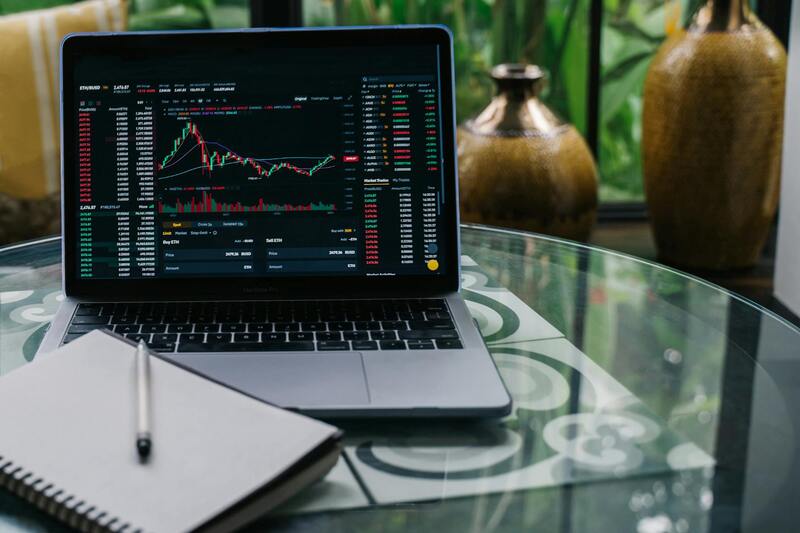
Trading and Risk Management Tools
Modern day trading software incorporates comprehensive risk mitigation features to help traders maintain control in volatile environments. These tools are vital for managing exposure and preventing impulsive decisions that could lead to significant financial setbacks. Among the key components are:
- Stop-Loss and Take-Profit Orders: Automated triggers that activate at predefined price levels, protecting gains and limiting losses without manual intervention.
- Position Sizing and Leverage Controls: Features that adjust the size of trades based on current risk appetite, enhancing capital preservation strategies.
- Market Monitoring and Alerts: Real-time notifications about price movements, news events, or system anomalies, enabling traders to react swiftly and adjust positions accordingly.
- Discipline Enforcement Protocols: Rules and reminders embedded within the platform that prevent overtrading and emotional decision-making, ensuring adherence to strategic plans.
- Data Security Measures: Encryption, multi-factor authentication, and intrusion detection systems form critical layers of security, maintaining data integrity and confidentiality amid fast-paced trading activities.
- Resilient Infrastructure: Redundancies in servers, backup power supplies, and disaster recovery protocols guarantee uninterrupted access to trading systems, minimizing technical disruptions that could impact trading outcomes.
Platforms designed with these features prioritize not only operational efficiency but also resilience and safety, strengthening the trader’s capacity to execute strategies reliably and securely in fast-moving markets.
Role of Artificial Intelligence in Day Trading Software
Artificial Intelligence (AI) has significantly transformed the landscape of day trading software, enabling traders to harness advanced analytical capabilities that were previously unattainable through manual analysis. AI-driven features facilitate sophisticated pattern recognition, predictive analytics, and automation of complex trading strategies, enhancing both efficiency and decision-making accuracy. Machine learning algorithms analyze vast datasets, including historical price movements, news sentiment, and macroeconomic indicators, to identify potential trading opportunities with high precision.
One of the primary applications of AI in day trading software is predictive modeling. These systems utilize neural networks and deep learning techniques to forecast short-term price fluctuations, helping traders anticipate market movements before they occur. This proactive approach can significantly improve entry and exit timing, ultimately boosting profitability.
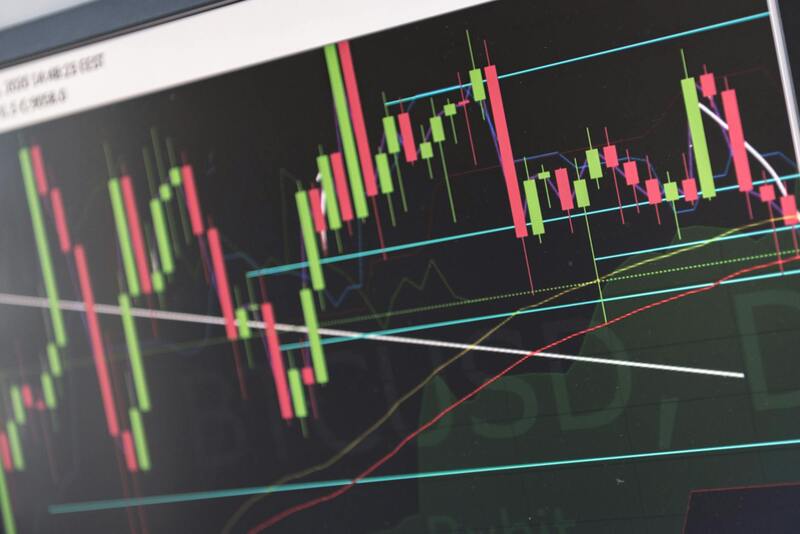
Furthermore, AI enhances risk management through real-time monitoring and adaptive adjustments. For instance, dynamic stop-loss and take-profit levels can be automatically recalibrated based on prevailing market volatility, reducing potential losses and securing gains. AI also aids in detecting anomalous trading patterns or potential market manipulations, allowing traders to respond swiftly and avoid unnecessary risks.
Automation is another significant benefit of AI integration. Trading bots powered by intelligent algorithms can execute trades 24/7, adhering to predefined strategies without human intervention. These bots minimize emotional biases, such as fear or greed, which often impair trader judgment during volatile market conditions.
In summary, the incorporation of AI in day trading software enhances analytical depth, operational efficiency, and risk mitigation, empowering traders with tools that adapt dynamically to changing market environments and deliver a competitive edge in fast-paced trading scenarios.
Automation and Customization Capabilities
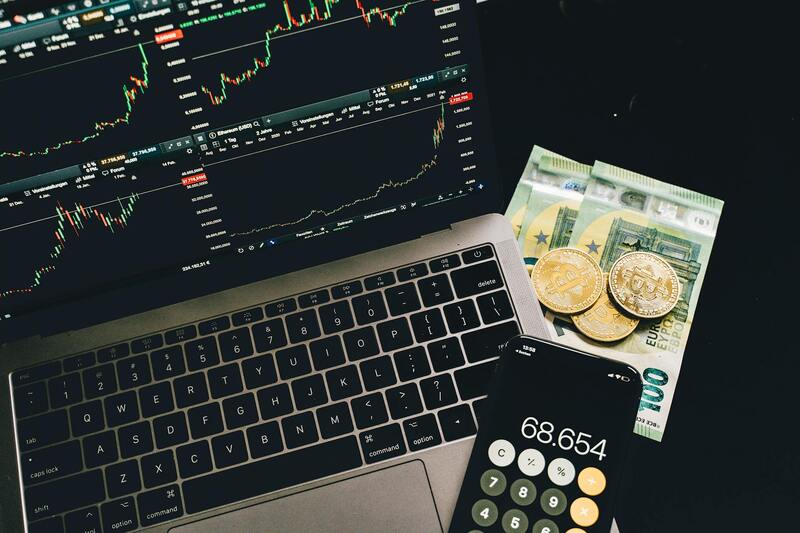
Modern day trading software platforms incorporate extensive automation features that enable traders to execute trades based on preset criteria, reducing reaction times and eliminating emotional biases. Automated trading systems, often referred to as trading bots, can be programmed with specific entry and exit points, risk parameters, and trading strategies. This automation ensures continuous market presence without demands for constant monitoring, which is particularly beneficial for traders managing multiple positions or working within tight schedules.
In addition to automation, customization options play a crucial role in optimizing trading performance. Advanced software allows traders to tailor interfaces, indicators, and strategy parameters to align with their individual trading styles. Custom scripts and algorithmic strategies can be developed for specific market conditions or asset classes, providing a competitive advantage through personalized trading approaches. The ability to backtest custom strategies against historical data further enhances confidence in the system's robustness before deploying it in live markets.
Data Visualization and Reporting Tools
Clear and comprehensive data visualization is integral to effective day trading. Sophisticated platforms offer dynamic charts, trend lines, and heat maps that help traders interpret market movements swiftly. Interactive dashboards enable real-time monitoring of multiple assets, with customizable layouts to emphasize the trader's preferred analytical metrics.
Furthermore, robust reporting tools facilitate performance analysis and record-keeping, which are vital for evaluating trading strategies. Transaction histories, profit-loss statements, and risk assessments help traders identify strengths and weaknesses, paving the way for continuous improvement. These insights are essential for refining strategies and maintaining a disciplined trading approach.
Security and Data Privacy Considerations
Security features are essential when choosing day trading software, especially given the handling of sensitive financial data. Platforms should employ encryption protocols, two-factor authentication, and secure API integrations to safeguard user information and trading activity. Data privacy policies must be transparent, ensuring that user data is protected against unauthorized access or breaches.
Enhancing Trading Efficiency and Accuracy
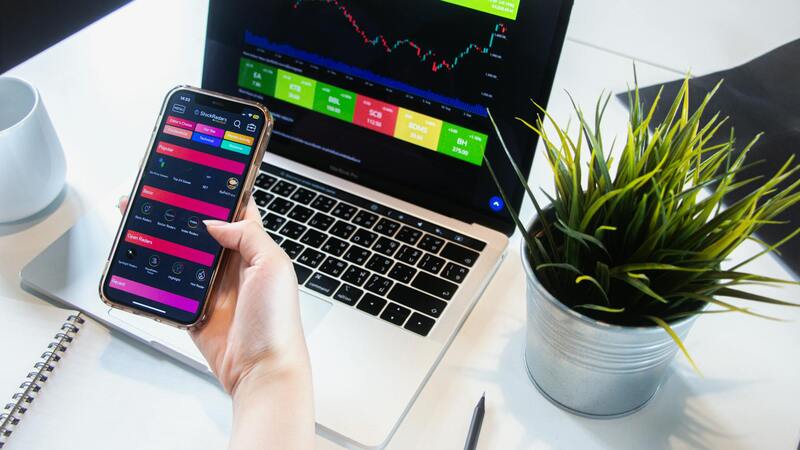
Advanced order types, such as conditional orders, bracket orders, and trailing stops, enable precise control over trades, helping traders optimize entries and exits. These tools can minimize slippage and improve overall execution quality. Additionally, features like real-time news feeds and economic calendar integration assist traders in staying informed about market-moving events, allowing for timely adjustments to trading strategies.
Incorporating such features ensures that traders can implement their strategies effectively while adapting quickly to evolving market conditions, ultimately enhancing trading accuracy and profitability.
Advanced Customization and Integration Capabilities
Modern day trading software offers extensive customization options that enable traders to tailor their trading environments according to individual preferences and strategies. Custom dashboards, personalized alerts, and adjustable interface layouts facilitate a seamless trading experience. Traders can set up specific indicators, automate repetitive tasks, and create custom workflows that optimize their efficiency.
Integration is another critical aspect. Leading platforms support integrations with various data providers, brokerage APIs, and analytical tools, allowing traders to consolidate their workflow into a single, cohesive platform. Such integrations enable real-time order execution, instant data analysis, and swift decision-making, crucial for successful day trading.
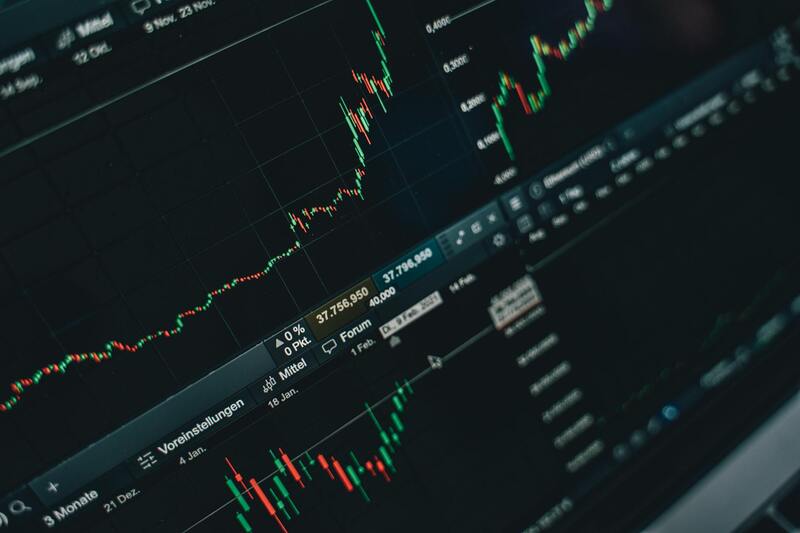
Moreover, the ability to connect with third-party applications enhances versatility. Traders can incorporate custom algorithms, backtesting tools, or social trading elements, expanding the functional scope of their trading software. This adaptability ensures traders stay agile and responsive amid rapid market movements.
Real-Time Data and Market Connectivity
Access to real-time market data is fundamental for effective day trading software. It ensures traders have the most current information, reducing the gap between market movements and trading actions. High-speed data feeds, coupled with low-latency connectivity, allow for precise timing in order placement.
Trading platforms often provide direct market access (DMA), letting traders execute trades directly on exchange order books. This direct link minimizes delays and slippage, which are critical factors in high-frequency and day trading.
Comprehensive Reporting and Performance Analytics
Robust reporting features set high-caliber trading software apart. Detailed trade logs, profit-loss analysis, and detailed performance metrics help traders review their strategies thoroughly. These insights facilitate data-driven improvements and support disciplined trading habits.
- Transaction histories for audit review
- Performance dashboards for real-time insights
- Risk exposure assessments to manage potential losses
Such tools enable traders to maintain oversight, refine techniques, and adapt swiftly to changing market conditions.
Embracing Automation and Algorithmic Trading
Automation plays a vital role in maximizing trading efficiency. Advanced algorithms can execute complex strategies without manual intervention, ensuring trades are entered and exited at optimal moments based on predefined criteria.
These automated systems manage multiple parameters simultaneously, such as order placement, stop-loss adjustments, and position scaling, greatly reducing emotional influences and human error. They are particularly valuable during high-volatility periods, where swift actions are necessary.

Many platforms also support semi-automated strategies, allowing traders to oversee and fine-tune algorithmic trades, combining strategic oversight with automated efficiency.
Security and Data Privacy in Day Trading Software
Given the sensitive nature of financial data, security is paramount. Leading trading software incorporates encryption protocols and multi-layered authentication methods to protect user accounts and transaction data.
Secure API connections and regular security audits further reinforce defenses against cyber threats. Data privacy policies should be transparent, clearly articulating how user information is stored, used, and protected.
Traders depend on these measures to safeguard their capital, personal data, and trading strategies, ensuring a trustworthy trading environment.
Utilization in Proprietary Firm Trading
Proprietary trading firms benefit immensely from sophisticated day trading software. These platforms facilitate high-speed execution and complex strategy deployment, crucial for maintaining a competitive edge. Customizable algorithms, advanced risk management tools, and real-time analytics enhance decision-making processes.
Firms often develop proprietary developments integrated into these platforms to optimize their specific trading tactics, stabilize risk exposures, and automate routine tasks. Such software also supports compliance monitoring and audit capabilities, essential for regulation adherence and operational transparency.
Choosing the Appropriate Day Trading Software
Selecting the right day trading platform involves a comprehensive evaluation of several factors: compatibility with trading strategies, data infrastructure, security features, and user interface design. Compatibility with existing systems ensures smooth integration and workflow continuity.
Cost-effectiveness and scalability are also vital considerations, especially as trading volumes increase. Traders should seek platforms that offer flexible licensing terms, robust customer support, and continuous updates to adapt to evolving market conditions.
Tags
