
Online Trading Software Solutions For Prop Firms And Day Traders
Overview of Online Trading Software
Online trading software has become a fundamental component of contemporary financial markets, enabling traders, investors, and proprietary trading firms to execute transactions swiftly and efficiently. These digital platforms serve as the primary interface between users and various financial instruments, such as stocks, forex, commodities, and cryptocurrencies. By leveraging advanced technological capabilities, online trading software facilitates real-time data analysis, instant order placement, and comprehensive account management, thus transforming traditional trading paradigms.
The significance of online trading software extends beyond individual traders. For prop firms, which engage in high-volume trading activities, sophisticated trading platforms are essential for maintaining competitive edges and optimizing operational efficiency. These tools empower traders to implement complex strategies, backtest algorithms, and monitor market trends with precision. In the realm of day trading, where split-second decisions can result in substantial gains or losses, reliable trading software with low latency and high execution speed is indispensable.
As technological innovations continue to evolve, the integration of artificial intelligence (AI), machine learning, and automation within trading software has further revolutionized the landscape. Traders now have access to analytical tools that can predict market movements, manage multiple positions simultaneously, and automate repetitive tasks, enabling more strategic and disciplined trading. Overall, online trading software plays a pivotal role in shaping modern trading environments by providing the necessary infrastructure, analysis tools, and automation to navigate complex financial markets efficiently.
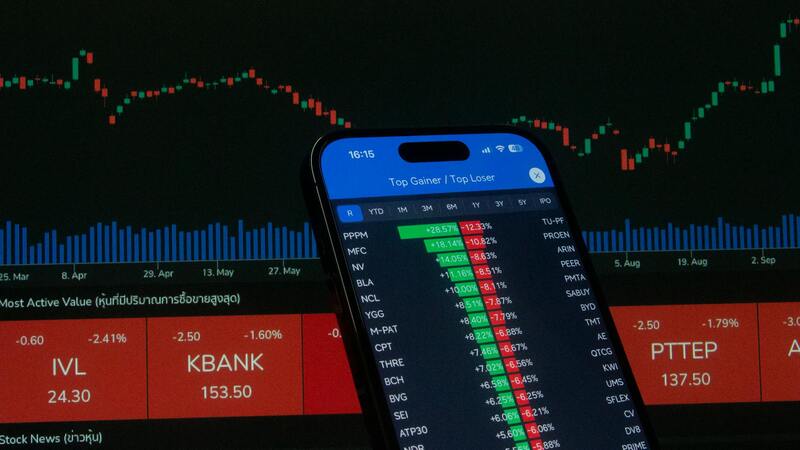
Key Features of Trading Software Platforms
Modern online trading software platforms are designed with a suite of advanced features to support traders across various skill levels and market conditions. These functionalities not only streamline trading processes but also enhance decision-making accuracy, thereby fostering more consistent trading performance.
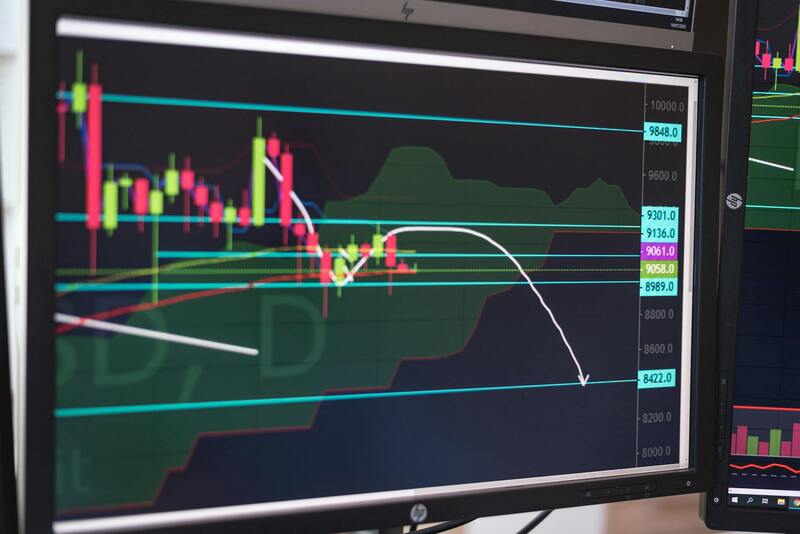
At the core of any effective trading platform are powerful charting tools. These enable traders to analyze historical and real-time market data visually, highlighting patterns, trends, and potential entry or exit points. Customizable chart features, including multiple timeframes, technical indicators, and drawing tools, empower traders to tailor their analysis to specific strategies.
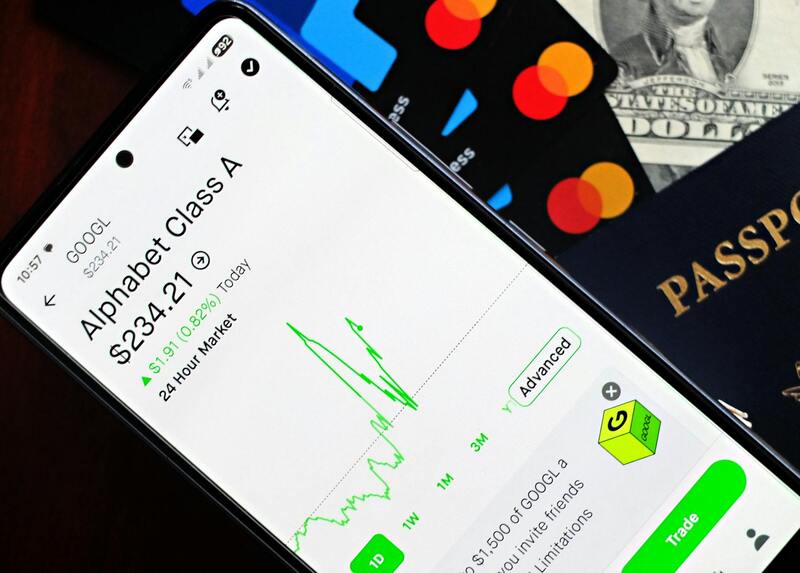
Order execution speed and reliability are critical components of trading software. The ability to place, modify, or cancel orders swiftly can significantly impact trading outcomes, especially in high-frequency environments. Platforms equipped with one-click trading options and direct market access eliminate delays, providing traders with the agility needed in volatile markets.
Real-time data streaming is fundamental for timely decision-making. The integration of live price feeds, news updates, and economic calendars ensures that traders receive current market information, allowing them to react swiftly to unfolding events. A comprehensive user interface further simplifies the trading experience, offering intuitive navigation, customizable dashboards, and dashboards tailored to different trading styles and preferences.
These features collectively form the backbone of efficient trading software, making them indispensable in high-stakes trading scenarios. Competent platforms also include tools for trade management, such as stop-loss, take-profit orders, and automated trading strategies, ensuring traders can execute their plans precisely and manage risk effectively.
Overview of Online Trading Software
Online trading software serves as the pivotal platform connecting traders with global markets, enabling the execution of buy and sell orders across various financial instruments. Its core function is to streamline trading activities, providing users with swift access to market information, analytical tools, and order execution capabilities. These platforms can be accessed via desktop applications, mobile devices, or web interfaces, allowing traders to operate from virtually anywhere with an internet connection. The significance of reliable online trading software lies in its ability to facilitate real-time decision-making, minimize latency, and support complex trading strategies. For newcomers and seasoned traders alike, a comprehensive software platform enhances trading precision, risk management, and overall efficiency, directly influencing profitability and operational success.

Key Features of Trading Software Platforms
Effective trading software integrates a suite of features designed to optimize trading activities while maintaining ease of use. Below are some of the essential functionalities that distinguish high-quality platforms:
- Advanced Charting Tools: Sophisticated charting capabilities with multiple timeframes, technical indicators, and drawing tools enable traders to conduct detailed technical analysis. Customizable features allow tailoring of visual tools to fit specific trading strategies, aiding in precise entry and exit point identification.
- Order Execution and Speed: Rapid order placement and modification are critical in highly volatile markets. Platforms equipped with one-click trading and direct market access eliminate delays, allowing traders to act swiftly to market moves.
- Real-Time Data Streaming: Live streaming of market data, including price feeds, news headlines, and economic calendars, is fundamental. Access to current information ensures traders can promptly respond to market events and adjust their positions accordingly.
- User Interface and Customization: An intuitive user interface simplifies navigation and reduces the learning curve. Custom dashboards and layout options cater to different trading styles, making complex functionalities accessible and manageable.
- Trade Management Tools: Features such as automatic stop-loss and take-profit orders, trailing stops, and automated trading strategies help traders manage risk effectively and implement their trading plans with precision.
These interconnected features, when integrated effectively, form the backbone of a robust trading platform, facilitating efficient execution and precise control over trading strategies. Their collective impact significantly enhances operational effectiveness, particularly in fast-paced trading environments where every millisecond counts.

Proprietary Trading Software for Prop Firms
Proprietary trading firms often utilize specialized software tailored specifically to meet the demands of high-volume, high-frequency trading environments. Such platforms encompass advanced risk management modules, comprehensive account aggregation systems, and automation tools designed to execute complex trading algorithms efficiently. These tailored solutions enable prop traders to execute precise, rapid trades while maintaining control over risk exposure. Proprietary platforms also foster integration with multiple data sources, facilitating holistic market analysis and enhanced decision-making.
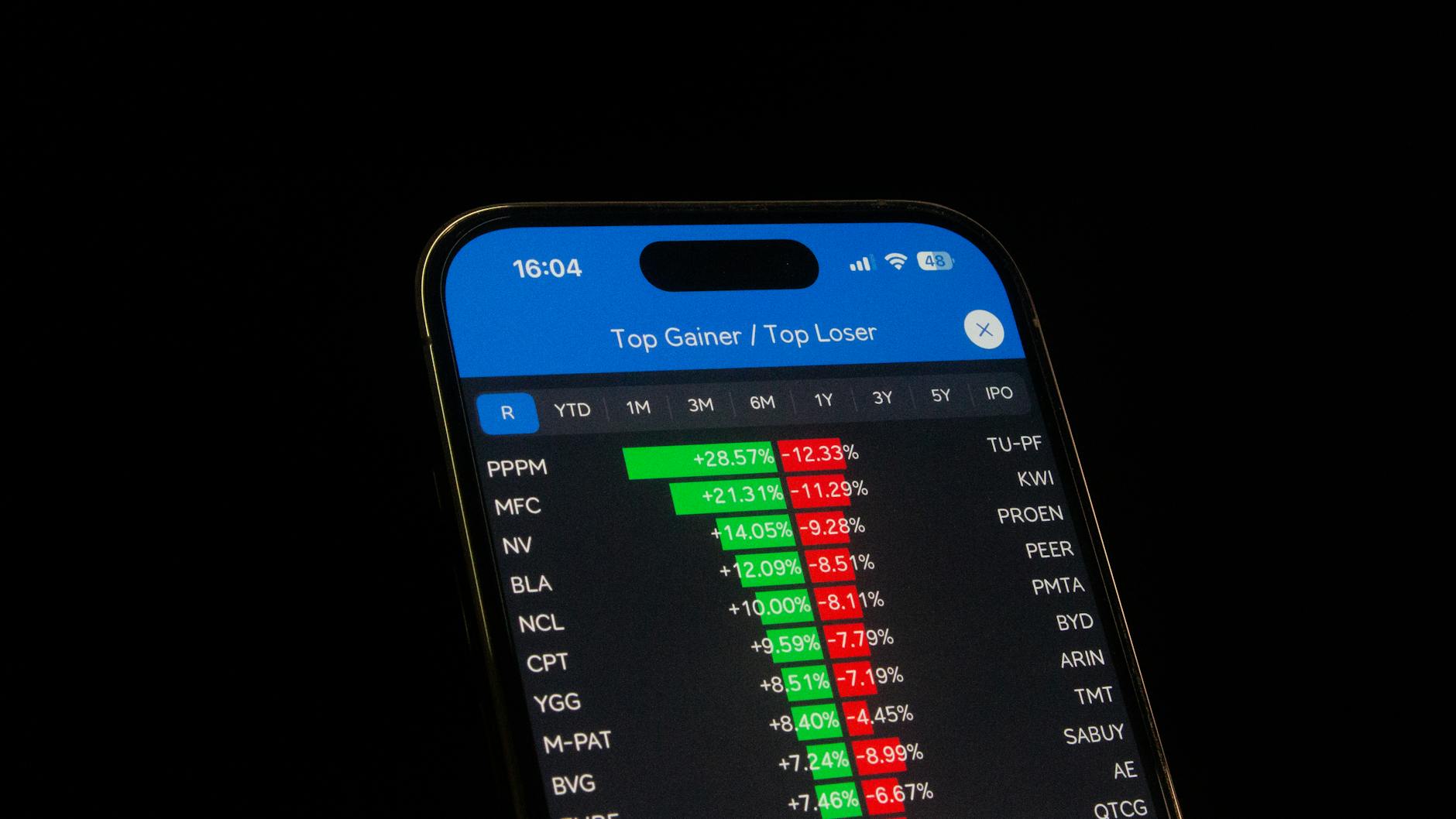
In addition, these platforms support seamless portfolio management, real-time performance tracking, and automated rebalancing, essential for maintaining competitive edge and operational efficiency in proprietary trading operations.
Overview of Online Trading Software
Online trading software has transformed the landscape of financial markets, empowering traders with advanced tools that facilitate efficient and precise transaction execution. These platforms serve as comprehensive hubs that integrate real-time market data, analytical resources, and automation capabilities. They enable traders to stay connected with global markets 24/7, allowing for rapid decision-making and execution of trades. The evolution of these systems continues to enhance user interfaces, improve data visualization, and incorporate sophisticated algorithms, making them indispensable for both novices and experienced traders.

With the proliferation of internet access, online trading software has become more accessible, supported by cloud-based solutions that ensure stability and scalability. These platforms offer a broad array of features, from basic order placement to complex multi-asset management, enabling traders to execute diverse strategies effectively. Whether it’s forex, stocks, commodities, or cryptocurrencies, specialized trading software adapts to different asset classes, ensuring that traders can leverage global opportunities at any time.
Key Features of Trading Software Platforms
- Real-Time Market Data: Access to live price feeds, news updates, and economic indicators that inform trading decisions.
- Advanced Charting and Technical Analysis: Interactive charts, indicators, and pattern recognition tools help traders analyze market trends and identify entry and exit points with precision.
- Order Management Systems: Speedy order placement, modification, and cancellation capabilities reduce latency and improve trade execution quality.
- Risk Management Tools: Stop-loss, take-profit, and automated alerts assist in managing risk exposure effectively.
- Automation and Algorithmic Trading: Traders can implement pre-set trading rules and programs that execute trades automatically based on specific criteria.
- Portfolio and Performance Tracking: Real-time monitoring of holdings, profit/loss reports, and detailed analytics help refine trading strategies continually.
Proprietary Trading Software for Prop Firms
Proprietary trading firms rely heavily on proprietary software tailored to meet their unique operational needs. These platforms are designed for high-frequency trading environments, integrating advanced risk controls, automation features, and comprehensive data analysis modules. They support seamless portfolio management, real-time performance analytics, and rapid execution capabilities that enable traders to capitalize on fleeting market opportunities. Such software systems often feature sophisticated algorithms that adapt to market conditions, providing a competitive edge over traditional platforms.
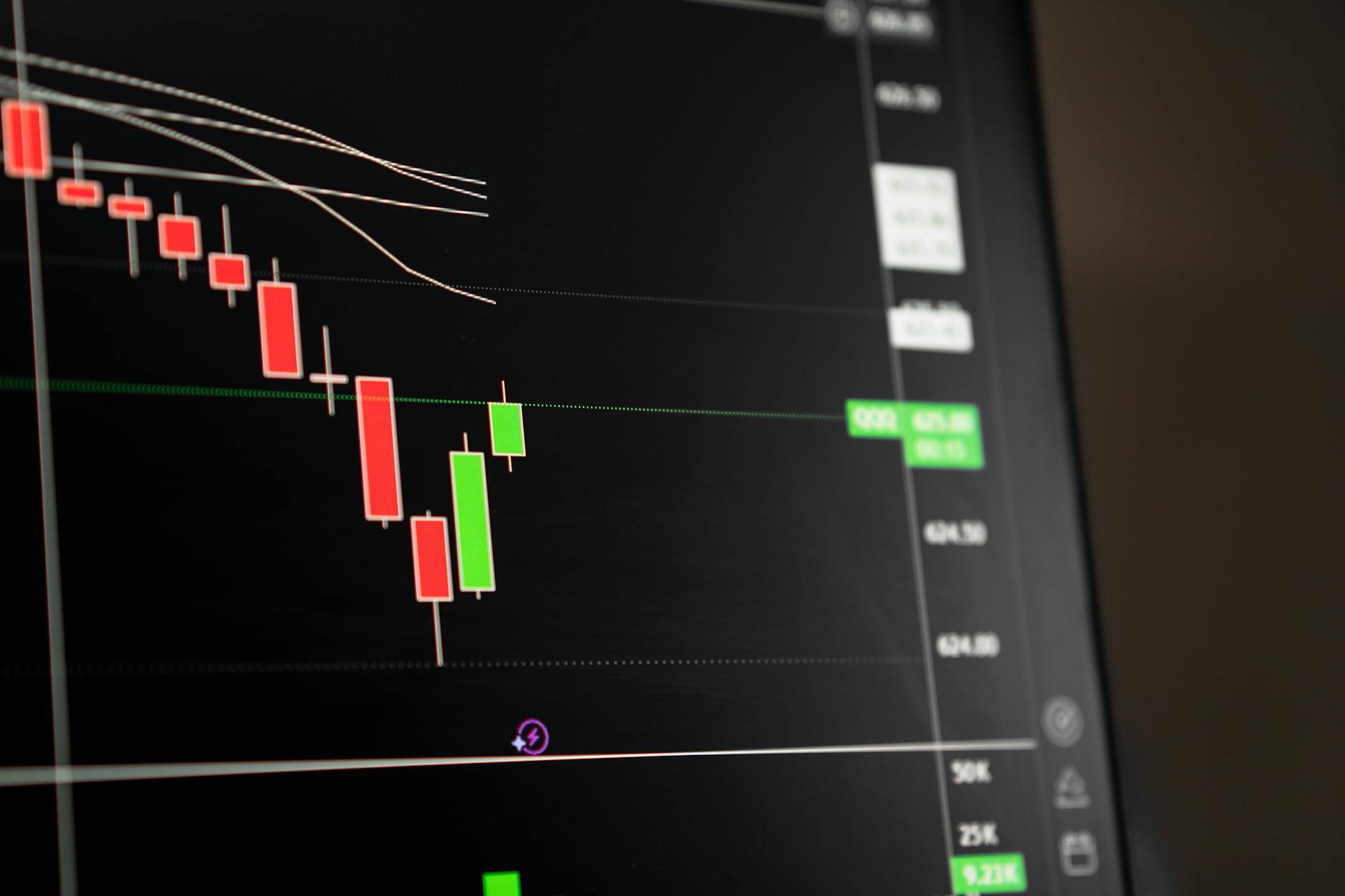
Customization is a key aspect of these platforms, allowing firms to tailor user interfaces, trading algorithms, and risk parameters according to their specific strategies. Automated rebalancing and real-time performance measurement are integrated into the workflows to ensure optimal trading effectiveness. In addition, proprietary platforms often support multiple data integrations, providing traders with comprehensive market insights and enabling quick adaptation to changing conditions. This level of sophistication helps prop traders to execute high-volume trades with minimal latency, maintain tight risk controls, and operate efficiently in competitive markets.
Day Trading Software and Its Capabilities
Day trading software has become a vital resource for traders pursuing short-term profit opportunities within highly volatile markets. These platforms are equipped with real-time data feeds, advanced charting tools, and rapid order execution capabilities that enable traders to act swiftly on market movements. The primary goal of day trading software is to minimize latency between market signals and trade execution, thus maximizing profitability in fast-paced environments.
One of the defining features of effective day trading software is its ability to facilitate complex order types, such as stop-loss, take-profit, and trailing stops, which help manage risks during high-stakes trades. Traders also gain access to real-time market news, economic calendars, and technical indicator overlays, which are essential for making informed decisions. High-frequency trading (HFT) functionalities are often incorporated, leveraging algorithms that can execute hundreds or even thousands of trades per second, exploiting minute discrepancies in asset prices.
Another significant component is the analytical suite embedded within these platforms. Sophisticated statistical tools and pattern recognition algorithms enable traders to identify potential entry and exit points based on historical data and predictive models. These features are complemented by backtesting environments, allowing traders to test strategies against historical market data before deploying them in live trading scenarios.

Efficiency and speed are paramount, and modern day trading software often utilizes cloud-based infrastructure to ensure scalability and minimal downtime. Integration with brokerage APIs allows seamless order processing directly from the trading platform, reducing risks associated with manual trades or delays. Customizable user interfaces ensure that traders can tailor their workspace to optimize workflow and visibility of critical data points.
Security protocols and encryption measures are also integral, safeguarding sensitive trading data and ensuring compliance with industry standards. Advanced multi-monitor support and customizable alerts keep traders informed of market changes without the need for constant monitoring, thus enabling focus and quick reactions in fast-moving markets. Overall, the capabilities of day trading software continue to evolve, empowering traders with tools to execute high-volume trades efficiently while managing risk intelligently.
Overview of Online Trading Software
Online trading software serves as the fundamental interface connecting traders to financial markets. It provides real-time data, advanced analytical tools, and execution capabilities necessary for conducting trades efficiently. These platforms facilitate various trading strategies, whether for day trading, swing trading, or long-term investing, by offering a comprehensive suite of features tailored to meet the needs of individual traders and institutional entities alike.
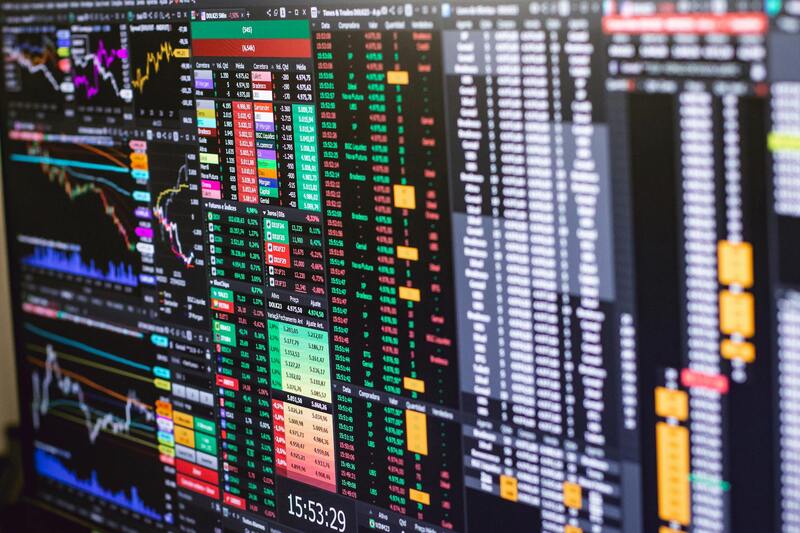
The diversity of available solutions ranges from user-friendly desktop applications and web-based platforms to highly customizable professional suites. These platforms typically incorporate real-time market data feeds, advanced charting tools, and order management systems. Connectivity with multiple brokerages and exchanges ensures traders can access a broad spectrum of financial instruments, including stocks, forex, commodities, and cryptocurrencies.
Key Features of Trading Software Platforms
Effective trading software encompasses several core functionalities designed to optimize trading activities and manage risks proactively. Among these are:
- Real-Time Market Data: Instantaneous price updates and market news for informed decision-making.
- Technical Analysis Tools: Advanced charting options, drawing tools, and indicators facilitate detailed market analysis.
- Order Execution Capabilities: Rapid and reliable order placements with options for various order types such as market, limit, stop-loss, and more.
- Automation and Algorithms: Support for algorithmic trading strategies that execute trades based on predefined parameters.
- Portfolio and Risk Management: Tools to monitor exposure, allocate assets, and implement risk mitigation strategies effectively.
- Security Measures: Encryption, two-factor authentication, and secure data handling protect trading activities and sensitive information.
Proprietary Trading Software for Prop Firms
Proprietary trading firms often rely on proprietary software solutions tailored specifically to their operational needs. These platforms typically deliver augmented features such as advanced risk assessment modules, customized analytics, and seamless integration with firm-specific trading algorithms. Proprietary software facilitates high-frequency trading and enables traders to execute a large volume of transactions with precise control over execution timing and risk exposure.

Furthermore, proprietary systems usually include compliance and performance tracking tools, ensuring adherence to internal protocols and regulatory guidelines. These platforms often incorporate cloud-based infrastructure and secure APIs for rapid data processing and connectivity with various financial markets, helping traders maintain a competitive edge in fast-paced trading environments.
Day Trading Software and Its Capabilities
Day trading software is engineered to meet the demands of short-term traders who need fast execution, detailed analytics, and robust risk controls. These platforms are equipped with features like multi-channel data feeds, multi-pane charting, and customizable alerts to capture fleeting trading opportunities. The speed of order execution is crucial, and many platforms utilize cloud infrastructure or colocated servers to minimize latency.
Advanced day trading systems also support sophisticated backtesting environments, enabling traders to refine strategies using historical data before applying them in real markets. Customizable interfaces allow traders to tailor dashboards, while intuitive tools streamline order placement, position tracking, and trade management. Security protocols, including encrypted connections and secure login processes, safeguard sensitive data during high-volume trading sessions.
AI-Enhanced Trading Software
Artificial intelligence integration within trading platforms is revolutionizing decision-making processes. AI algorithms analyze vast datasets to identify patterns, predict market movements, and optimize entry and exit points. Machine learning models continually refine their forecasts through ongoing data ingestion, resulting in more accurate predictions over time.
AI-enhanced software can automate trading strategies, executing trades based on complex criteria with minimal human intervention. This capability is particularly valuable in high-frequency trading contexts, where split-second decisions are critical. Users benefit from AI-driven insights, such as predictive analytics and sentiment analysis, which provide a competitive edge in volatile markets.
Many platforms incorporate features like natural language processing to analyze news sentiment and social media feeds, further informing trading decisions. Security and transparency are maintained through rigorous validation and audit trails, ensuring AI-driven trades adhere to predefined parameters and risk profiles.
Overview of Online Trading Software
Online trading software serves as an essential tool for modern traders, providing a digital interface that facilitates buying and selling securities, commodities, currencies, and other financial instruments. These platforms have evolved from simple order execution systems to complex environments that integrate data analytics, automation, and advanced visualization tools. Their primary goal is to enable traders to make informed decisions swiftly and efficiently, leveraging real-time data streams, technical analysis tools, and customizable dashboards.
Modern online trading software is designed for a wide range of users, from beginners seeking intuitive interfaces to professional traders requiring advanced analytical features. The versatility of these platforms lies in their ability to cater to different trading styles, including scalping, swing trading, and long-term investing, all within a single seamless environment.

Key Features of Trading Software Platforms
- Real-Time Data Streaming: Immediate access to live market prices, news feeds, and economic indicators for timely decision-making.
- Advanced Charting Tools: Multiple chart types, technical indicators, drawing tools, and pattern recognition to analyze market trends.
- Order Execution Capabilities: Support for various order types, such as market, limit, stop-loss, and conditional orders, enabling precision trading strategies.
- Customizable User Interface: Flexible dashboards that allow traders to personalize layouts, widgets, and alert settings for optimal workflow.
- Automated Trading Support: Integration with trading algorithms and bots for executing pre-defined strategies without manual intervention.
- Security Measures: Protected login protocols, encrypted communications, and audit trails to safeguard assets and sensitive data.
- Backtesting and Simulation: Tools to evaluate trading strategies against historical data before live deployment, reducing risk and improving reliability.
Proprietary Trading Software for Prop Firms
Proprietary trading firms often develop customized trading software designed to maximize their particular trading strategies and risk mitigation approaches. These platforms typically offer enhanced speed, proprietary data feeds, and uniquely tailored risk controls. They integrate seamlessly with trading desks and institutional infrastructure, providing traders with specialized tools for high-frequency trading and arbitrage opportunities. Such software is optimized to handle large volumes of transactions efficiently and to implement complex algorithms that respond to minute market fluctuations.
Day Trading Software and Its Capabilities
Day traders require software that supports rapid trade execution, detailed analytics, and robust charting functionalities. These platforms often feature extensive order management systems, real-time risk assessment tools, and news aggregators aligned with market movements. High-speed connectivity ensures minimal latency, which is critical for capturing fleeting opportunities in volatile markets. Additionally, day trading software frequently includes features such as multi-monitor support, hotkeys for quick order placement, and customizable alerts to track specific price levels or technical signals.
AI-Enhanced Trading Software
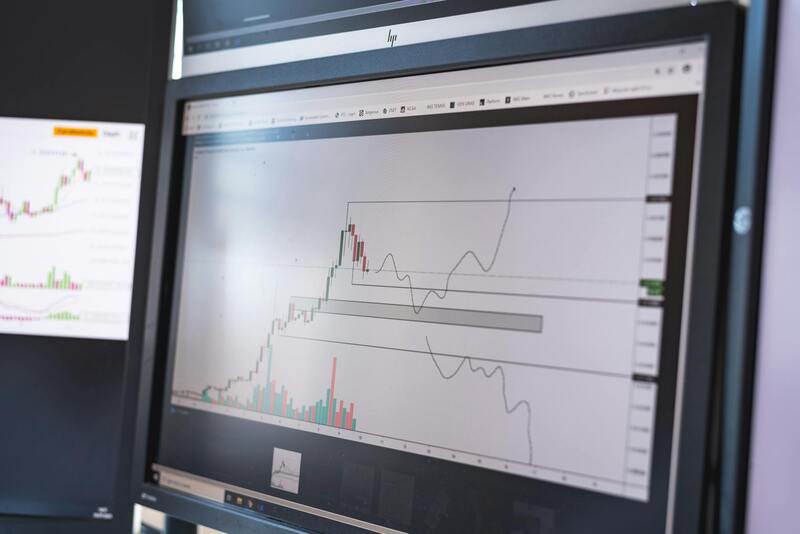
The integration of artificial intelligence (AI) within trading platforms is transforming the landscape of financial markets. AI algorithms continually analyze extensive datasets—including historical prices, market news, social media sentiment, and macroeconomic indicators—to identify patterns that humans might overlook. This analysis helps predict price movements with increased accuracy, offering traders a strategic advantage.
AI-driven trading software often automates complex decision-making processes, executing trades at optimal times based on algorithmic insights. It supports strategies such as statistical arbitrage, pattern recognition, and sentiment analysis, all while adapting to new market conditions through machine learning. Natural language processing (NLP) further enhances these systems by interpreting news headlines, earnings reports, and social media posts, providing contextual insights that influence trade decisions. The predictive capabilities and automation features reduce emotional bias and enable traders to capitalize on opportunities with speed and consistency.
Trading and Risk Management Software
Effective trading is underpinned by comprehensive risk management, which is facilitated by specialized software tools. These platforms monitor portfolio exposure, set predefined risk limits, and generate real-time alerts when thresholds are breached. Advanced risk models evaluate potential downside scenarios, factoring in market volatility and liquidity conditions. Simulation modules allow traders to stress-test strategies under various hypothetical market shocks, helping refine approach and mitigate potential losses.
Risk management software also integrates seamlessly with trading platforms, ensuring that compliance requirements are met and that trades adhere to regulatory standards. Data encryption, secure authentication, and audit logs strengthen the security posture of these systems, fostering confidence in the management of assets and operational integrity.
Overview of Online Trading Software
Online trading software serves as the essential interface between traders and financial markets, providing tools and functionalities that streamline the process of executing trades, analyzing market data, and managing investment portfolios. These platforms can be accessed via desktop, web, or mobile devices, offering flexibility and real-time connectivity. Trusted trading software integrates advanced charting tools, real-time market data feeds, order management systems, and reporting features to facilitate informed decision-making. The core objective is to empower traders—whether beginners or seasoned professionals—to navigate complex markets efficiently while minimizing latency and maximizing execution accuracy.

In addition to basic trading functions, reputable platforms often incorporate customization options, multi-asset support, and automation capabilities that enable traders to develop, test, and deploy trading strategies with minimal manual intervention. The importance of data security, seamless integration with financial institutions, and compliance with industry standards further enhances the reliability of these tools, making them indispensable in today's fast-paced trading environment.
Key Features of Trading Software Platforms
High-quality trading software encompasses features designed to improve operational efficiency and strategic accuracy. These include:
- Real-time Data Streaming: Access to live market quotes, news feeds, and economic indicators helps traders stay informed about market movements.
- Advanced Charting Tools: Customizable charts, technical analysis indicators, and drawing tools facilitate detailed market analysis.
- Order Types and Automation: Support for various order types—market, limit, stop-loss, and take-profit—along with algorithmic trading and scripting options.
- Risk Management Modules: Features that monitor exposure levels, set predefined stop-losses, and provide alerts for potential risks.
- User-friendly Interface: Intuitive design minimizes the learning curve and enhances operational speed, especially during volatile market conditions.
- Secure Trading Environment: Robust security measures, encrypted data transmission, and multi-factor authentication protect assets and personal information.
- Integration Capabilities: Compatibility with third-party tools, APIs, and brokerage networks ensures a cohesive trading ecosystem.
Proprietary Trading Software for Prop Firms
Proprietary trading firms often develop proprietary solutions tailored to their specific strategies and operational requirements. These platforms are designed to optimize execution speed, strategy deployment, and risk control within a controlled environment. Proprietary software allows for custom algorithm development, backtesting, and simulation, enabling traders to refine their approaches before live deployment. Additionally, these systems often feature direct market access (DMA), low-latency connectivity, and sophisticated analytics tailored to high-frequency and quantitative trading activities.
Day Trading Software and Its Capabilities
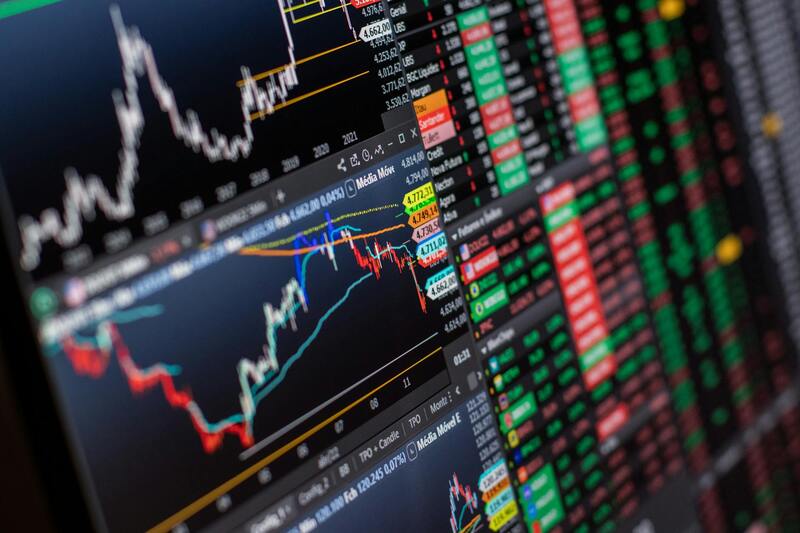
Day traders depend on specialized software that emphasizes speed, precision, and comprehensive analytical tools. These platforms support rapid execution of multiple trades within very short time frames, often milliseconds, using direct order routing and low-latency connections. Key capabilities include:
- Real-time Market Data and Level 2 Quotes: Deep order book insights to identify potential price movements and liquidity levels.
- Pre-market and After-hours Trading Support: Allows traders to act on news or events outside regular trading hours.
- Customizable Hotkeys and Automation Scripts: Facilitates quick order placement and systematic trading approaches.
- Risk Controls and Stop Management: Automated risk limits that prevent excessive losses during volatile periods.
Interface clarity and responsiveness are critical, ensuring traders can rapidly interpret data and execute strategies without delays. Supported by real-time alerts and news integrations, day trading software enhances the trader’s ability to react swiftly to market changes.
AI-Enhanced Trading Software
Artificial Intelligence (AI) is transforming online trading by enabling systems to learn from vast datasets, recognize patterns, and adapt to evolving markets dynamically. AI-powered platforms leverage machine learning algorithms to optimize trade timing, select assets, and refine strategies based on historical performance and real-time data analysis. Natural language processing (NLP) expands analytical capabilities by interpreting unstructured data sources such as news headlines, earnings reports, and social media chatter, providing traders with contextual insights that can influence decision-making.

These systems often come equipped with predictive analytics that improve trade accuracy and reduce emotional biases, enabling more disciplined trading. Automated decision-making supported by AI allows for faster reactions to market shifts and enhances the consistency of trading operations, which is crucial in high-frequency and algorithmic trading contexts.
Trading and Risk Management Software
Risk management remains integral to sustainable trading practices. Specialized software tools facilitate oversight of portfolios, monitor compliance with risk parameters, and automate responses to adverse conditions. Key aspects include:
- Portfolio Exposure Monitoring: Real-time tracking of asset allocations and risk exposure levels.
- Predefined Risk Limits and Alerts: Automated notifications when positions exceed set thresholds or unusual activity is detected.
- Scenario Analysis and Stress Testing: Simulating potential market shocks to assess strategy resilience and adjust accordingly.
- Integration with Trading Platforms: Seamless synchronization ensures that risk controls are enforced during order execution.
- Data Security and Compliance: Embedded security features, audit logs, and encryption protocols ensure data integrity and operational transparency.
These features make it possible to maintain disciplined trading routines, as well as quickly respond to market volatility to mitigate potential losses and protect assets effectively.
Future Trends in Trading Software Development
Emerging technology trends continue to shape the evolution of online trading platforms. Cloud-based solutions offer scalable infrastructure and improved accessibility, reducing hardware constraints. Machine learning algorithms become more sophisticated, enabling predictive analytics that adapt to new market patterns. Furthermore, advances in cybersecurity and data encryption enhance the safety of digital trading environments. As blockchain technology matures, it has the potential to streamline settlement processes and improve transparency. The integration of these innovations will likely lead to more intuitive, efficient, and secure trading ecosystems, empowering traders with cutting-edge tools capable of handling increasingly complex market dynamics.
Tags
