
Trading And Risk Management Software For Prop Firms And Trading Platforms
Overview of Trading and Risk Management Software
Trading and risk management software plays a vital role in modern financial markets, providing traders and institutions with sophisticated tools to execute strategies, monitor market activity, and manage risk exposure efficiently. These systems are designed to enhance decision-making processes, streamline operations, and mitigate potential losses associated with volatile market conditions. By integrating advanced analytics, real-time data processing, and automated trading capabilities, such software supports traders in maintaining a competitive edge in dynamic environments. The core purpose of this technology is to offer a comprehensive framework that aligns trading activities with risk appetite, regulatory compliance, and operational standards.
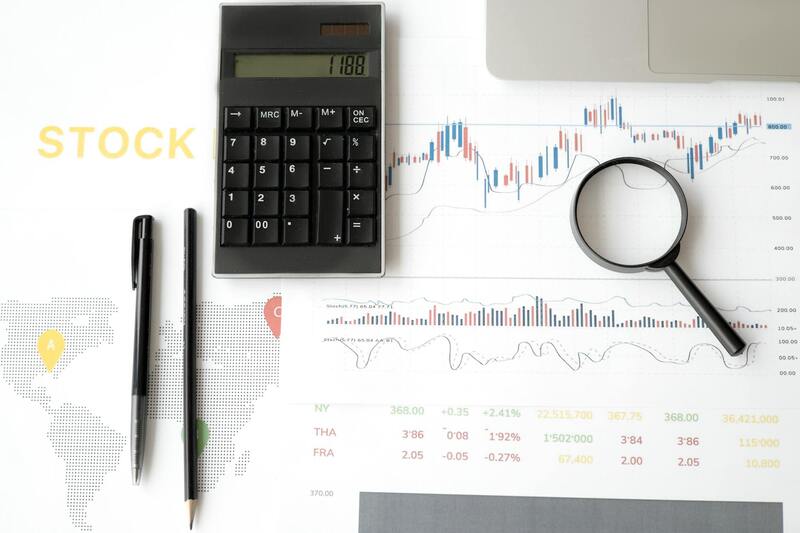
Key features typically include real-time market data analysis, automated order execution, portfolio tracking, and risk assessment modules. These components work together to identify potential threats, such as excessive exposure or market fluctuations, enabling traders to adjust their positions proactively. The importance of trading and risk management software extends beyond individual traders, encompassing institutional operations, hedge funds, and proprietary trading firms that rely heavily on these tools to optimize their trading strategies while ensuring adherence to risk limits. As markets become increasingly complex and fast-paced, the reliance on such technology continues to grow, underpinning effective and disciplined trading practices across various financial sectors.
Effective trading and risk management software not only supports routine trading activities but also facilitates scenario analysis, stress testing, and compliance reporting. These features help traders anticipate potential adverse market conditions and develop strategies to mitigate associated risks. The reliability and precision of these systems are crucial, as they directly impact profitability and stability within trading environments. In essence, the integration of robust trading and risk management software establishes a foundation for disciplined, data-driven decision-making essential for success in the highly competitive landscape of financial trading.
Role of AI in Trading Software
Artificial Intelligence (AI) has become a pivotal element in modern trading and risk management software, revolutionizing how traders analyze data and execute strategies. Through advanced machine learning algorithms, AI systems continuously learn from historical and real-time market data to improve predictive accuracy and decision-making processes. These intelligent systems can detect subtle market patterns that might elude human traders, enabling more precise entry and exit points, as well as optimized trade sizing.
Additionally, AI enhances risk management by identifying early warning signals of potential adverse market conditions. For example, AI-driven systems can simulate complex scenarios, evaluate probable outcomes, and recommend preemptive actions to mitigate potential losses. They are capable of processing vast quantities of data sources, including news feeds, social media sentiment, and economic indicators, to provide comprehensive insights that inform trading strategies.
This integration not only accelerates decision-making but also minimizes emotional biases that can compromise trading discipline. AI-powered algorithms can automatically adjust trading parameters based on evolving market conditions, enabling adaptive strategies that respond swiftly to volatility. As such, AI plays an increasingly critical role in creating more resilient, responsive, and data-driven trading environments.
Features of Effective Risk Management Tools
Robust risk management tools are essential for safeguarding trading capital and ensuring sustainable profitability. Effective features typically include:
- Real-time risk monitoring: Constant assessment of open positions and exposure levels helps traders stay within predefined risk parameters.
- Automated stop-loss and take-profit orders: These functions protect gains and limit potential losses without requiring manual intervention.
- Scenario analysis and stress testing: Simulating various market conditions allows traders to evaluate how strategies perform during extreme events.
- Position sizing algorithms: Proper determination of trade sizes based on risk appetite and account size prevents overleveraging.
- Compliance tracking: Ensuring adherence to trading limits and regulatory standards maintains operational integrity and mitigates legal risks.
Such features work collectively to improve decision-making accuracy, enhance portfolio resilience, and uphold disciplined trading practices. When integrated seamlessly into trading workflows, these tools provide a comprehensive overview essential for navigating complex market environments.

Integration of Trading and Risk Management Systems
Seamless integration between trading platforms and risk management tools is crucial to enhance operational efficiency and decision-making accuracy. Modern trading environments demand unified systems that allow traders to monitor market data, execute trades, and assess associated risks within a single interface. This integration ensures that risk parameters are continuously updated in real-time, providing traders with immediate feedback on their positions and exposure levels. By linking robust risk management modules directly to trading software, firms can automate the enforcement of trading limits, set dynamic stop-losses, and adjust leverage configurations on-the-fly, reducing manual errors and improving response times to market movements.
Advanced APIs and SDKs facilitate this integration, allowing for customized workflows tailored to specific trading strategies. The interoperability between these systems ensures comprehensive oversight—traders gain immediate visibility into how market fluctuations impact their risk profile, enabling proactive adjustments rather than reactive responses. Such integration also supports compliance adherence by automating the tracking and reporting of trading activities against regulatory standards, thereby minimizing operational risks.
Benefits for Prop Trading and Day Traders
For proprietary traders and day trading professionals, integrating trading and risk management software translates into several strategic advantages. Primarily, it enables rapid execution of risk mitigation measures, preventing significant losses during volatile price swings. Automated risk controls help maintain disciplined trading practices, ensuring adherence to predefined strategies and risk appetites. Furthermore, real-time analytics and scenario simulations assist traders in making data-driven decisions under tight timeframes, critical for high-frequency or short-term trading approaches.
Such integration enhances the trader’s ability to manage multiple positions efficiently, providing a centralized dashboard where all data points converge—market conditions, profit and loss figures, exposure metrics, and risk limits. This holistic view supports proactive risk adjustments, safeguarding capital and sustaining long-term profitability even in unpredictable markets.
Implementation Considerations
Successful deployment of integrated trading and risk management systems requires careful planning. Key considerations include ensuring compatibility with existing trading infrastructure, selecting scalable solutions capable of handling high data volumes, and focusing on user-friendly interfaces that facilitate swift decision-making. Firms should also prioritize features such as customizable risk parameters, real-time API updates, and detailed audit trails for operational transparency.

Training personnel on system functionalities and establishing robust data security protocols are essential to protect sensitive information and maintain trading integrity. Engaging with vendors that provide comprehensive support and ongoing system updates ensures adaptability to evolving market conditions. When effectively implemented, integrated systems provide a resilient framework poised to manage risks efficiently while supporting aggressive trading strategies underpinned by solid technological infrastructure.
Features of Effective Risk Management Tools
Developing robust risk management within trading software hinges on a suite of advanced features designed to protect capital and guide strategic decision-making. Integral to this is precise position sizing, which ensures traders maintain exposure within predefined tolerances, balancing potential rewards against inherent risks. Sophisticated stop-loss tools are also vital, allowing traders to set automatic exit points, thereby minimizing losses in volatile market conditions. These tools should offer flexible parameters that adapt to different trading styles and asset classes.
Analytics capabilities serve as the backbone of modern risk management, providing real-time insights into market dynamics, portfolio risks, and potential vulnerabilities. These analytics include stress testing, scenario analysis, and value-at-risk calculations, enabling traders to anticipate adverse movements and adjust their positions proactively. Additionally, customizable alerts help in monitoring critical levels, ensuring prompt responses to market fluctuations.

Furthermore, effective systems incorporate comprehensive audit logs and real-time reporting tools to enhance operational transparency and facilitate post-trade analysis. Automated reporting features streamline compliance checks and strategic reviews, making it easier to evaluate risk exposure and adhere to internal policies. These features collectively empower traders to execute with confidence, knowing that their risk parameters are actively managed and aligned with market realities.
Integration of Trading and Risk Management Systems
The seamless integration of trading functions with risk management tools is critical for operational efficiency. An integrated approach ensures that trade execution and risk assessment occur within a unified environment, reducing latency and minimizing manual intervention. Such systems automatically synchronize positions, exposure limits, and risk controls, enabling instant adjustments in response to market developments.
Key to successful integration is maintaining real-time data flow between trading platforms and risk management modules. This integration allows traders to set dynamic risk parameters that adjust automatically as market conditions evolve, thereby reducing exposure to unforeseen circumstances. It also enhances compliance by consolidating trade records, risk metrics, and audit trails into a single framework, simplifying regulatory reporting and internal reviews.

Investing in flexible, API-compatible systems ensures connectivity with diverse trading infrastructure, supporting various asset classes and trading strategies. Customizable interfaces cater to specific workflow requirements, allowing traders and risk managers to tailor dashboards and tools according to their operational needs. The integration process also involves rigorous testing to ensure data accuracy, system resilience, and user accessibility, ultimately fostering a cohesive ecosystem that enhances trading performance and risk oversight.
Integration of Trading and Risk Management Systems
Effective integration of trading platforms with risk management tools is essential for maintaining a clear overview of market exposure and ensuring prompt responses to changing conditions. This integration facilitates seamless data flow between trade execution modules and risk assessment engines, enabling traders and risk managers to operate within a unified environment that supports real-time decision-making.
One of the core advantages is the automatic synchronization of positions, limits, and exposure data across systems. When a trader executes a transaction, the relevant risk metrics update instantly, reflecting the new position. This real-time feedback loop minimizes the chances of exceeding predefined risk thresholds and supports swift corrective actions. Moreover, integrated systems allow for the automation of risk controls based on preset parameters, such as stop-loss levels, profit targets, or exposure caps, which can be adjusted dynamically as market conditions shift.
Implementing such interconnected systems entails establishing reliable data connections, often through APIs or other robust interfaces, that ensure accuracy and security. These connections must support continuous data exchange without latency to prevent discrepancies between trading activity and risk assessments. Regular testing and validation are vital to maintain system integrity and to adapt to evolving trading strategies or regulatory requirements.
Beyond operational efficiency, integration streamlines compliance processes. Consolidated reporting features automatically compile trade records, risk exposures, and audit logs, simplifying the documentation needed for internal reviews or external reporting. This centralized approach reduces manual record-keeping errors and enhances transparency across trading workflows.

Flexible integration also supports diverse trading tactics and asset classes. Compatibility with various APIs allows for customization tailored to specific operational needs, whether for high-frequency trading, options, or forex. This adaptability is crucial as trading environments grow more complex and demand higher levels of automation and precision.
Installation and ongoing management require meticulous planning, including stakeholder collaboration, security protocols, and user training. Establishing rigorous testing procedures ensures that data integrity is maintained throughout the integration process, laying the groundwork for a resilient trading ecosystem built on real-time insights and robust risk controls.
Benefits for Prop Trading and Day Traders
Prop trading firms and day traders operate within highly dynamic markets where rapid decision-making and precise risk controls are critical to maintaining profitability. Employing advanced trading and risk management software provides these participants with a strategic advantage by enhancing agility, accuracy, and oversight. Proprietary trading groups, often handling significant leverage, benefit from sophisticated tools that monitor real-time exposures, enforce risk limits automatically, and enable swift responses to market fluctuations.
Day traders, who execute multiple trades within short periods, rely heavily on software that facilitates rapid entry and exit points, combined with instant risk assessments. Automated alerts are crucial, notifying traders when their positions approach predefined thresholds, thereby preventing unexpected losses. With integration of advanced analytics and algorithmic capabilities, traders can identify trading opportunities with higher precision and execute strategies more efficiently, leading to improved returns and reduced vulnerability to market volatility.
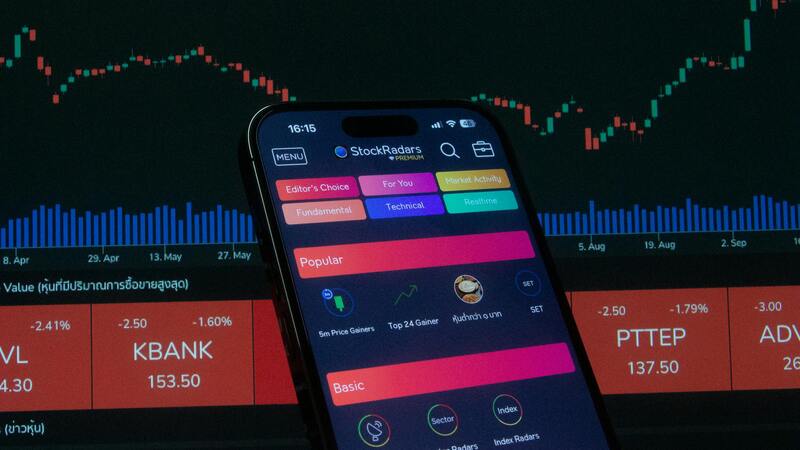
For prop firms, consolidating trading and risk management functions into a unified platform minimizes operational complexity. It streamlines compliance, enhances transparency, and supports scalability as the firm grows. These systems assist in maintaining disciplined trading practices and adhering to internal risk protocols, thus safeguarding the firm's capital from excessive exposure.
Additionally, the detailed reporting capabilities of advanced software facilitate audit trails and performance tracking, providing valuable insights for strategic decision-making. Real-time dashboards display an overarching view of trading activities alongside risk metrics, enabling traders and risk officers to collaborate proactively and make data-driven adjustments instantaneously.

Furthermore, the adaptability of these tools allows them to support varied trading strategies and risk appetites. Whether handling high-frequency algorithms or manually executed trades, traders benefit from customization options that align system performance with their specific operational needs. The capacity for seamless scenario testing and stress analysis ensures strategies remain resilient under different market conditions, ultimately increasing potential for consistent profitability while managing exposure effectively.
Implementation Considerations
Choosing the right trading and risk management software involves assessing multiple factors to ensure seamless deployment and optimal performance tailored to specific trading objectives. A thorough evaluation process begins with understanding the unique needs of the trading operation, such as volume, asset classes, trading style, and risk appetite. This helps identify software solutions that are scalable and adaptable to evolving requirements.
When selecting a platform, consider features like real-time data processing, customizable risk parameters, and robust analytics capabilities. Compatibility with existing trading infrastructure and ease of integration are critical to minimizing disruptions. Compatibility extends beyond technical integration; it also encompasses alignment with regulatory reporting standards and compliance workflows to facilitate transparency and accountability.
Deployment strategies should include phased testing and validation protocols. This approach ensures that the system performs correctly in live trading conditions and that risk controls trigger accurately before full-scale rollout. Training staff to utilize new tools effectively is equally important, emphasizing user interface familiarity, risk protocol adherence, and incident response procedures.
Optimization is an ongoing process that requires continuous monitoring and fine-tuning. Regular updates and upgrades should be implemented to incorporate new features, improve system efficiency, and adapt to market shifts. Feedback from traders and risk managers must be integrated into software adjustments, ensuring the platform evolves in line with trading strategies and risk management standards.
Ultimately, successful implementation hinges on a comprehensive understanding of operational workflows and strategic objectives, complemented by meticulous planning and ongoing management. Proper setup and continuous enhancement enable traders and risk managers to leverage the full potential of trading and risk management software, thereby maximizing profitability while safeguarding capital across diverse market conditions.
Integration of Trading and Risk Management Systems
Seamless integration of trading and risk management software is pivotal for achieving a cohesive operational environment. Effective integration involves establishing direct data exchanges between trading platforms and risk control modules, ensuring real-time visibility into trading activities and potential risks. Such integration minimizes latency in risk assessments, enabling immediate response to market fluctuations and trading anomalies.
Technical considerations for integration encompass API connectivity, data synchronization protocols, and the establishment of secure data channels to protect sensitive information. Compatibility with existing infrastructure and scalability to accommodate growing trading volume are also essential factors. Employing middleware solutions can facilitate interoperability among disparate systems, allowing for a unified interface that consolidates trading execution, portfolio management, and risk controls.
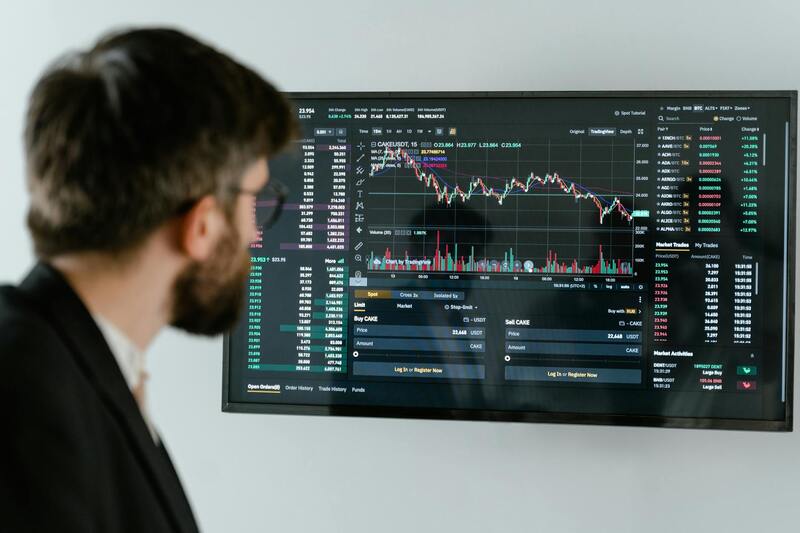
Automation of data feeds and risk alerts ensures traders and risk managers receive instant updates, enabling prompt decision-making. Customizable dashboards presenting key performance indicators (KPIs), margin levels, exposure calculations, and compliance metrics support proactive risk oversight. Additionally, integration with external data sources, such as market news feeds and economic indicators, enhances the contextual understanding of risk factors.
Successful integration emphasizes reliable data validation processes and comprehensive testing phases to identify and rectify inconsistencies prior to deployment. Continuous monitoring and periodic audits of integrated systems help maintain integrity and performance, especially during volatile market conditions. When executed correctly, integration fosters a centralized control environment where trading strategies and risk parameters harmonize, ultimately improving operational efficiency and risk mitigation effectiveness.
Benefits for Prop Trading and Day Traders
- Enhanced Real-Time Monitoring: Integrated systems allow prop traders and day traders to observe market activities, trade positions, and risk exposure simultaneously, facilitating quicker responses to adverse movements.
- Improved Risk Control: Automated alerts and risk thresholds help traders adhere to predefined risk limits, reducing the likelihood of over-leverage or unintended exposure.
- Data-Driven Decision Making: Consolidated analytics and visualization tools provide comprehensive insights, empowering traders with better information for strategic choices.
- Operational Efficiency: Streamlined workflows diminish manual data entry and reconciliation efforts, allowing traders to focus more on strategy execution rather than administrative tasks.
- Regulatory and Compliance Alignment: Integrated systems facilitate adherence to reporting standards, promoting transparency and simplifying audit processes.
Implementation Considerations
Implementing trading and risk management software demands meticulous planning to ensure alignment with existing infrastructure and strategic objectives. Key steps include comprehensive needs assessment, defining clear technical requirements, and selecting compatible solutions capable of scaling with trading activities. Data security and privacy protocols must be prioritized to safeguard sensitive information throughout integration.
Training personnel on new systems enhances user adoption and maximizes tool effectiveness. Establishing clear procedures for system monitoring, incident response, and continuous improvement ensures operational resilience. Regular updates and system refinements should be scheduled to incorporate technological advancements and adapt to evolving market dynamics. An iterative approach, involving stakeholder feedback and rigorous testing, helps create a resilient environment where trading and risk management objectives are consistently met.
Tags
