
Prop Firm Software: Key Features And Industry Impact
Overview of Prop Firm Software
Prop firm software plays a vital role in the landscape of proprietary trading, providing specialized tools and systems designed to streamline operations within trading firms. These software solutions serve as the backbone for managing various aspects of trading activities, from launching trading strategies to overseeing risk parameters. Prop firm software enables firms to efficiently allocate resources, enforce trading rules, and monitor trader performance, all within a centralized digital environment.
At its core, prop firm software is engineered to enhance operational efficiency by automating routine tasks, facilitating real-time data analysis, and supporting strategic decision-making. It acts as a comprehensive platform that connects traders, risk managers, and administrative teams, creating a cohesive ecosystem that fosters disciplined trading practices.
The deployment of prop firm software not only improves internal workflows but also helps trading firms adapt swiftly to market changes. By integrating advanced analytics, it provides insights that empower firms to refine their trading strategies and optimize overall profitability. The software's ability to handle large volumes of data with accuracy and speed makes it indispensable for firms operating in highly competitive markets.
Illustrating its importance, prop firm software addresses the need for consistency and control in trading operations. As firms expand and diversify their trading activities, having robust digital tools becomes imperative for maintaining oversight, managing complex portfolios, and ensuring compliance. This ultimately results in a more resilient and responsive trading enterprise.
Trading Platforms Integration
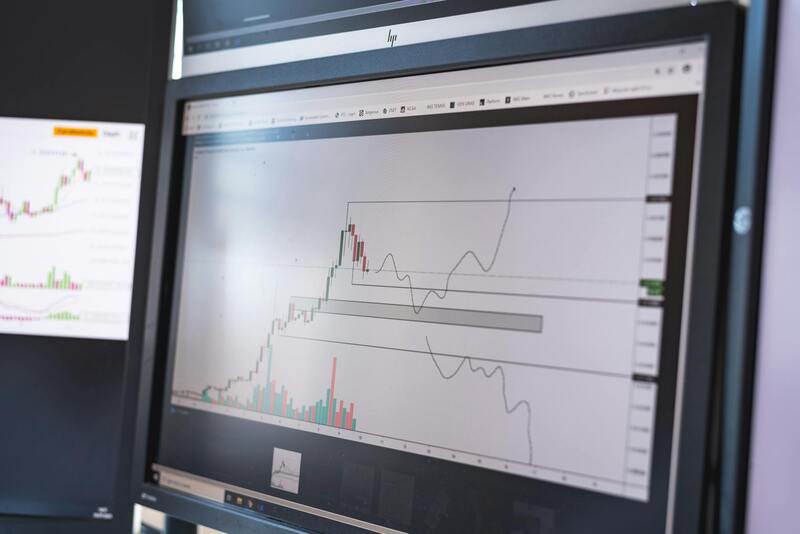
Seamless integration with multiple trading platforms is a critical feature of prop firm software, allowing traders to operate efficiently across various marketplaces. These integrations enable real-time data synchronization, instant order execution, and comprehensive monitoring of trading activities. Compatibility with popular platforms ensures that traders can leverage advanced tools, charting features, and analytical resources without the need for switching interfaces or manual data transfers.
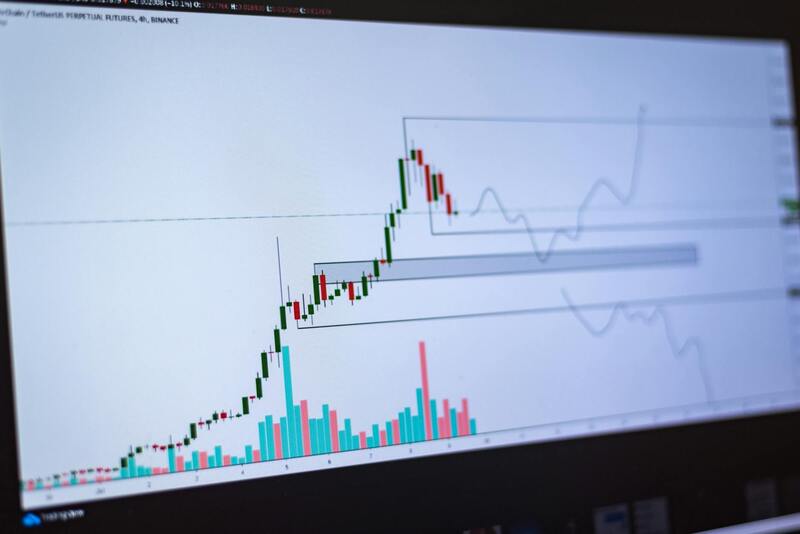
This interoperability minimizes latency, reduces errors, and accelerates decision-making processes, which are vital in high-frequency trading environments. Automation of routine tasks, such as order placement and portfolio monitoring, enhances operational speed and accuracy. For firms managing multiple accounts, integrated software provides a unified dashboard that simplifies oversight and streamlines workflows.
Risk Management and Performance Tracking
Effective risk management is essential for maintaining profitability and ensuring adherence to firm policies. Prop firm software incorporates sophisticated risk assessment tools, enabling traders and risk managers to evaluate exposure levels, set maximum loss thresholds, and implement real-time alerts for risk breaches. These features support disciplined trading practices and mitigate potential losses.
Performance metrics tracking offers detailed insights into individual trader results, strategy effectiveness, and overall portfolio health. Visualization tools, customizable reports, and historical data analysis help firms identify trends, strengths, and weaknesses within their trading operations. This continuous feedback loop fosters an environment of ongoing improvement and strategic refinement.
AI and Automation in Prop Trading Software
Artificial intelligence enhances decision-making by providing predictive analytics and pattern recognition capabilities, which can identify profitable opportunities or highlight emerging market risks. Automated trading features execute pre-defined strategies swiftly, reducing human error and emotional bias. These advancements allow traders to focus on strategic analysis while the software manages routine or time-sensitive tasks.
Machine learning algorithms adapt to market changes, continuously improving their accuracy and effectiveness. Automated order execution, based on complex parameters, ensures timely responses to market movements, which can be crucial for gaining a competitive edge in fast-paced environments.
Security and Compliance Features
Maintaining strong security protocols is non-negotiable in prop trading environments. Robust encryption, multi-factor authentication, and regular security audits protect sensitive financial data and trading algorithms. Software solutions also incorporate comprehensive audit trails to document all trading activities, supporting transparency and accountability.
Compliance functionalities automate reporting for regulatory standards, verify trader identities, and monitor suspicious activities. These features help firms adhere to industry standards, avoid penalties, and sustain operational integrity.
Choosing the Right Prop Firm Software
Selecting the appropriate software depends on a firm's specific trading scope, operational complexity, and strategic goals. Considerations include platform compatibility, scalability, customization options, and vendor support services. Firms should evaluate the software’s capability to integrate with existing systems and its ability to evolve alongside technological advancements.
Training and onboarding support from the software provider are vital to maximize utility and ensure smooth adoption across teams. Thorough testing in simulated environments prior to deployment can uncover potential issues and tailor features to fit operational needs.
Future Trends in Prop Firm Software
The evolution of prop firm software will likely focus on greater automation, enhanced AI capabilities, and more sophisticated risk analytics. Cloud technologies may offer increased flexibility, allowing for remote management and scalable resources. Cross-platform compatibility and real-time data processing will continue to improve, empowering firms to act swiftly amid dynamic market conditions. Additionally, integration of blockchain technology could enhance transparency and security, further solidifying the backbone of prop trading infrastructure.
Core Functions of Prop Firm Software
Prop firm software serves as the backbone of a trading operation, providing essential functionalities that streamline processes, ensure compliance, and enhance overall efficiency. These systems are designed to handle multifaceted tasks crucial for proprietary trading environments, where speed, accuracy, and security are paramount.
One of the primary roles of prop firm software is trade execution management. It facilitates rapid order placement, modification, and cancellation, often integrating with multiple trading platforms to ensure traders can operate seamlessly across various markets. This interoperability reduces latency and minimizes the risk of errors during high-frequency trading sessions.
Another vital feature is real-time data analysis and market monitoring. Proprietary trading relies heavily on rapid decision-making, making it imperative for traders to access up-to-the-minute information. Prop firm software aggregates market data from diverse sources, providing traders with comprehensive dashboards that display price movements, news feeds, and technical indicators. This immediate visibility empowers traders to react swiftly to market shifts, enhancing profitability opportunities.

Effective risk management tools are embedded within the software to monitor traders' positions, calculate exposure, and enforce risk limits automatically. These features are critical in preventing significant losses, maintaining compliance with risk parameters, and safeguarding the firm's capital. Automated stop-loss and take-profit settings enable traders to execute predefined strategies without constant oversight, effectively reducing emotional trading biases.
Compliance and reporting constitute another core aspect. Prop firm software automates the collection and generation of reports needed for internal reviews and regulatory oversight. These reports include detailed audit trails of trades, risk assessments, and trader activity summaries, ensuring transparency and accountability. Automated auditing functions facilitate swift identification of anomalies or suspicious behaviors, reinforcing operational integrity.
Security and Data Integrity
Given the sensitive nature of trading information, robust security mechanisms are integral to prop firm software. Encryption protocols protect data in transit and at rest, while multi-factor authentication controls access to the system. Regular audits and updates mitigate vulnerabilities, maintaining a secure environment for traders and administrative staff alike.
Additionally, data integrity is preserved through redundant backups and fail-safe procedures. This ensures that trading data remains accurate and accessible, even in the event of hardware failures or cyber incidents. Such measures uphold the trustworthiness of the software platform and support seamless operational continuity.
Customizability and Scalability
Prop firm performance varies significantly based on trading volume, asset classes, and strategic objectives. As such, software solutions must offer high levels of customization. This may involve configuring risk parameters, designing unique trading interfaces, or integrating proprietary analytics tools. A flexible platform enables firms to tailor workflows that align with their specific operational standards and growth plans.
Scalability is equally vital. As a trading operation expands, the prop firm software should accommodate increased data loads, additional users, and new trading instruments without compromising performance. Cloud-based architectures are often preferred for their ability to scale dynamically and support remote access, fostering a more adaptable and resilient trading environment.

To maximize the benefits of these core functions, firms should seek software that integrates seamlessly with existing systems, offers robust technical support, and evolves through regular updates—aligning technology infrastructure with strategic growth ambitions and emerging trading patterns.
Overview of Prop Firm Software
Prop firm software represents a specialized suite of tools designed to streamline trading operations, manage risk, and enhance overall efficiency within proprietary trading firms. These systems serve as the backbone of a firm’s trading infrastructure, integrating diverse functionalities that allow traders and administrators to operate seamlessly. The primary goal of prop firm software is to facilitate swift decision-making, accurate data management, and secure handling of sensitive information, all while supporting the firm’s strategic objectives.

Core Functions of Prop Firm Software
At its core, prop firm software is built to support essential trading activities. This includes real-time market data processing, order execution, and comprehensive trade analytics. Such platforms often feature customizable dashboards, allowing traders to tailor their workspace according to their trading styles and preferences. The integration of advanced analytics tools enables traders to identify opportunities quickly and make informed decisions grounded in data.
Risk management is another pivotal element. Effective software provides risk assessment modules that monitor open positions, calculate potential losses, and enforce risk limits automatically. This continuous oversight helps prevent significant drawdowns and maintains consistent performance standards across the trading desk.
Operational efficiency is further enhanced through automated trade execution and monitoring systems. These tools reduce manual errors and enable rapid response to market movements. Additionally, robust reporting capabilities provide detailed insights into trading activity, performance metrics, and compliance adherence, supporting transparent and accountable operations.
Trading Platforms Integration
Seamless integration with popular trading platforms is a crucial feature of prop firm software. Many firms rely on established trading interfaces such as MetaTrader, NinjaTrader, or proprietary systems. Software solutions that facilitate smooth connectivity ensure that traders can execute strategies without interruption, access analytical tools within their preferred environment, and synchronize data effortlessly across platforms.

Integrating with third-party APIs and data feeds enhances the system’s capability, enabling real-time updates and faster execution. This compatibility is vital for maintaining competitiveness in volatile markets, where quick and precise trades determine success. Furthermore, integration extends to risk management and compliance modules, ensuring a cohesive infrastructure that aligns actions with firm policies and regulatory standards.
Core Functions of Prop Firm Software
Prop firm software acts as the operational backbone for proprietary trading firms, facilitating seamless trading, risk management, and regulatory compliance. Its primary functions include advanced order execution, comprehensive risk controls, and detailed performance analytics that collectively support traders and management teams in making informed decisions.
Order execution modules are optimized for speed and reliability, ensuring that trades are executed at the best possible market prices. This minimizes slippage and enhances profitability. Simultaneously, risk management features are designed to enforce predefined trading limits automatically. These include position sizing constraints, stop-loss orders, and daily loss caps that prevent traders from exceeding risk thresholds, thus safeguarding the firm's capital.
Performance tracking tools provide continuous monitoring of individual and team trading activities. Metrics such as profit and loss (P&L), win rates, and average trade size are compiled into detailed reports, enabling traders to analyze their strategies and identify areas for improvement. These insights allow firms to maintain high-caliber trading standards and foster an environment of disciplined trading.
Operational efficiency is further enhanced through robust automation capabilities. Automated trade management systems execute predefined strategies without constant manual oversight, reducing the likelihood of human error. Automated alerts and real-time notifications keep traders informed of market opportunities or potential issues, facilitating rapid responses that can capitalize on fleeting market conditions.

Trading Platforms Integration
Integrating with popular trading platforms is a key aspect of prop firm software, allowing traders to utilize familiar interfaces while benefiting from enhanced functionalities. Compatibility with platforms like MetaTrader, NinjaTrader, or proprietary solutions ensures that traders can execute strategies seamlessly, access analytical tools, and manage positions from a single environment.
API integrations with third-party data feeds and execution systems expand the software’s capabilities, providing real-time market data, faster trade execution, and improved order management. This connectivity is vital for maintaining a competitive edge, especially in markets characterized by high volatility and rapid price changes.
Furthermore, integration with risk management and compliance modules ensures cohesive oversight of trading activities. It aligns every trade with firm policies and regulatory standards, streamlining operations and reducing the risk of non-compliance.

Risk Management and Performance Tracking
Effective risk management is at the core of prop firm software, combining automated monitoring with manual oversight to prevent excessive exposure. Dynamic risk controls adjust in real-time based on market conditions and trading activity, offering a safeguard against sudden market swings that could lead to significant losses.
Performance metrics are captured continuously, allowing firms to monitor not just profitability but also adherence to risk limits and trading discipline. Customizable dashboards display KPIs such as drawdowns, trade frequency, and profitability trends, providing traders and managers with immediate understanding of trading health.
These insights facilitate strategic adjustments and ongoing training, leading to improved trading outcomes. Robust reporting features also support regulatory audits and internal reviews, ensuring compliance and operational transparency.
Core Functions of Prop Firm Software
Prop firm software serves as the backbone of modern proprietary trading operations, providing essential tools that facilitate efficient, effective, and compliant trading activities. These platforms often incorporate a comprehensive suite of features designed to streamline various aspects of trading, risk management, and operational oversight. A primary function is facilitating real-time market data analysis, which empowers traders to make swift, informed decisions based on the latest market movements. This capability is crucial in high-volatility environments where delays can result in significant losses.
In addition to data analysis, robust order management systems are integrated to automate and optimize trade execution. This ensures that orders are handled promptly and precisely, reducing manual errors and enhancing overall trading performance. Automated trade execution algorithms are also embedded within the software, enabling traders to implement complex strategies without constant manual intervention, thus increasing efficiency and potential profitability.
Another critical feature is the comprehensive risk management module. This component continuously monitors trading activities, assessing exposure levels across various assets and strategies. Automated alerts notify traders of potential overexposure or deviations from risk limits, allowing prompt corrective actions. Moreover, the software often includes portfolio analysis tools, enabling traders and managers to evaluate the composition and performance of trading portfolios, ensuring alignment with firm objectives and risk appetite.

Performance tracking is another vital aspect, offering detailed insights into trading efficiency, profitability, and discipline. Customizable dashboards and reporting functionalities enable managers to evaluate individual trader metrics, identify areas for improvement, and provide targeted feedback. These features support continuous development and strategic decision-making, fostering a culture of accountability and growth within the trading environment.
Trading Platforms Integration
Integration with various trading platforms is fundamental for seamless operational workflows. Prop firm software typically supports connectivity with popular trading platforms and brokers, ensuring traders can execute strategies across multiple markets without switching interfaces. This integration facilitates real-time data flow, order placement, and position updates, which are essential for maintaining a competitive edge.
By aligning trading platforms directly with the core software, firms can reduce latency and improve execution speed, benefiting traders facing rapid market changes. Compatibility with low-latency, high-frequency trading systems is increasingly sought after, supporting strategies that depend heavily on split-second decisions.
Risk Management and Performance Tracking
Risk controls within prop firm software are designed to dynamically respond to market conditions, adjusting limits based on pre-set parameters or real-time data. This proactive approach helps prevent excessive losses and maintains trading within acceptable parameters. Traders receive instant notifications when risk thresholds are approached or breached, enabling immediate intervention.
Continuous performance monitoring is supported through sophisticated analytics and visualization tools, illustrating profit/loss trends, trade frequency, and risk-adjusted returns. Such insights are instrumental for traders to refine their strategies, analyze their strengths and weaknesses, and optimize overall performance. Additionally, detailed audit logs and comprehensive reporting facilitate transparency and accountability, essential for regulatory compliance and internal governance.

Risk Management and Performance Tracking
Effective risk management is a cornerstone of successful proprietary trading operations. Modern prop firm software incorporates advanced features that enable traders and risk managers to implement multi-layered controls tailored to diverse trading strategies. These controls include predefined stop-loss orders, profit targets, and dynamic position sizing that adapt to real-time market fluctuations, reducing exposure to unexpected downturns.
Integrating real-time analytics with automated alerts enhances the ability to monitor risk continuously. When a trader approaches a predefined risk threshold, the system issues instant notifications, prompting immediate action to mitigate potential losses. Some software solutions include automated halts or restrictions, which activate once risk parameters are breached, ensuring adherence to firm policies without reliance on manual intervention.
Performance tracking tools provide a comprehensive overview of trading activities, empowering traders to assess their efficiency and effectiveness systematically. These tools generate detailed reports on trade frequency, profitability, and adherence to risk parameters, facilitating a clear understanding of individual and collective performance metrics. Visualization dashboards, with dynamic charts and heatmaps, allow traders and managers to identify patterns, strengths, and areas for improvement at a glance.
Moreover, maintaining thorough audit logs is critical for compliance purposes. Each trade, adjustment, and system intervention is recorded with timestamps and relevant details, establishing a transparent history that can be reviewed for ongoing education, dispute resolution, or regulatory scrutiny. In addition, customizable performance benchmarks enable firms to set specific KPIs aligned with their strategic objectives, fostering a culture of accountability and continuous improvement.

AI and Automation in Prop Trading Software
Artificial intelligence (AI) and automation have become integral components in modern prop firm technology stacks, driving efficiency and consistency in trading operations. AI-powered algorithms analyze vast quantities of market data to identify trading opportunities with high precision, enabling traders to execute more informed decisions and reduce emotional biases.
Automation features streamline routine tasks such as order placement, trade execution, and position rebalancing, freeing traders to focus on strategic analyses and higher-level planning. Automated trading bots can operate continuously, capitalizing on fleeting market opportunities that might be missed manually, especially in high-frequency trading environments. These systems can adapt dynamically to changing market conditions, adjusting parameters without human intervention based on predefined risk and profit criteria.
Machine learning models enhance predictive accuracy over time as they ingest new data, refining their understanding of market behaviors and improving their recommendation quality. Automated backtesting and scenario analysis tools also allow traders to evaluate strategies thoroughly before deployment, reducing the trial-and-error period and increasing confidence in trading algorithms.
Furthermore, AI-driven sentiment analysis leverages social media feeds, news outlets, and macroeconomic reports to gauge market mood, providing traders with additional contextual insights. The seamless integration of these AI capabilities within prop firm software creates a competitive advantage by enabling faster, more precise, and more adaptive trading operations.

Security and Compliance Features
Robust security protocols are vital to safeguard sensitive trading data and proprietary algorithms. Prop firm software employs encryption standards for data transmission and storage, ensuring that confidential information remains protected against unauthorized access. Multi-factor authentication, role-based access controls, and audit trails further reinforce security measures by restricting system access to authorized personnel and monitoring activity logs.
Compliance features are integrated to facilitate adherence to regulatory requirements and internal policies. These include comprehensive record-keeping of trades and system modifications, automated reporting for audit purposes, and configurable workflows that enforce compliance protocols within trading operations. The software’s capacity to generate detailed reports helps firms demonstrate transparency and accountability to regulatory agencies and internal stakeholders.
Regular security assessments and updates are essential to identify and address vulnerabilities proactively. Data integrity measures, such as backup and disaster recovery protocols, ensure continuity of operations in case of unforeseen events. Overall, integrating advanced security and compliance features within prop firm software not only protects assets and information but also supports sustainable growth by maintaining trust and operational integrity.
Security and Compliance Features
In the realm of prop trading, safeguarding sensitive data and proprietary strategies is paramount. Prop firm software incorporates advanced security measures to protect both client and firm information against emerging threats. Data encryption protocols, including AES standards, are used during data transmission and storage, ensuring that confidential trading information remains inaccessible to unauthorized parties. Implementing multi-factor authentication (MFA) adds an extra layer of security, requiring users to verify their identities through multiple methods before gaining access.
Role-based access control (RBAC) further enhances security by restricting system functionalities to appropriate personnel based on their responsibilities. This control helps prevent insider threats and accidental data leaks. Audit trails record every action taken within the platform, providing an immutable log for monitoring and investigating any suspicious activities. Regular security assessments and penetration testing are conducted to identify vulnerabilities proactively, allowing for timely updates and patches.

Regulatory Compliance and Reporting
Beyond security, prop firm software must align with industry standards and internal regulations. Automated reporting features facilitate transparency by generating comprehensive records of all trading activities, modifications, and system changes. These reports support internal audits and simplify compliance with regulatory directives, such as trade record keeping and activity verification.
Configurable workflows within the software enforce adherence to compliance protocols, reducing the risk of manual errors and oversight. Rich audit logs provide detailed accounts of user actions, system modifications, and trade executions, offering valuable documentation for accountability. Many platforms also include real-time monitoring tools that flag suspicious activities or deviations from preset trading limits, enabling prompt corrective actions.

Operational Continuity and Data Integrity
Operational resilience is supported through ongoing data integrity measures. Regular backups and disaster recovery protocols ensure that firms can quickly restore operations after unexpected disruptions. Continuous data synchronization minimizes the risk of data loss, maintaining consistency across multiple trading locations and platforms.
System redundancies, such as mirrored servers and cloud storage solutions, provide additional layers of protection to keep trading activities uninterrupted. These measures are essential for maintaining client confidence and ensuring compliance with industry standards. Effective data management within prop firm software also includes version control systems to track changes to algorithms, strategies, and configurations, enabling rollback to previous stable states if necessary.
Image Placeholder: Data Security Measures
Conclusion
Embedding comprehensive security and compliance features within prop firm software is critical for operational integrity and market confidence. These systems not only protect sensitive information and proprietary strategies but also streamline regulatory adherence through automation and detailed record-keeping. Firms that prioritize these aspects benefit from enhanced trustworthiness, reduced risks, and a foundation for sustainable growth.
Tags
